
The Collagen Cliff: Why Menopause Triggers Sudden Skin Changes
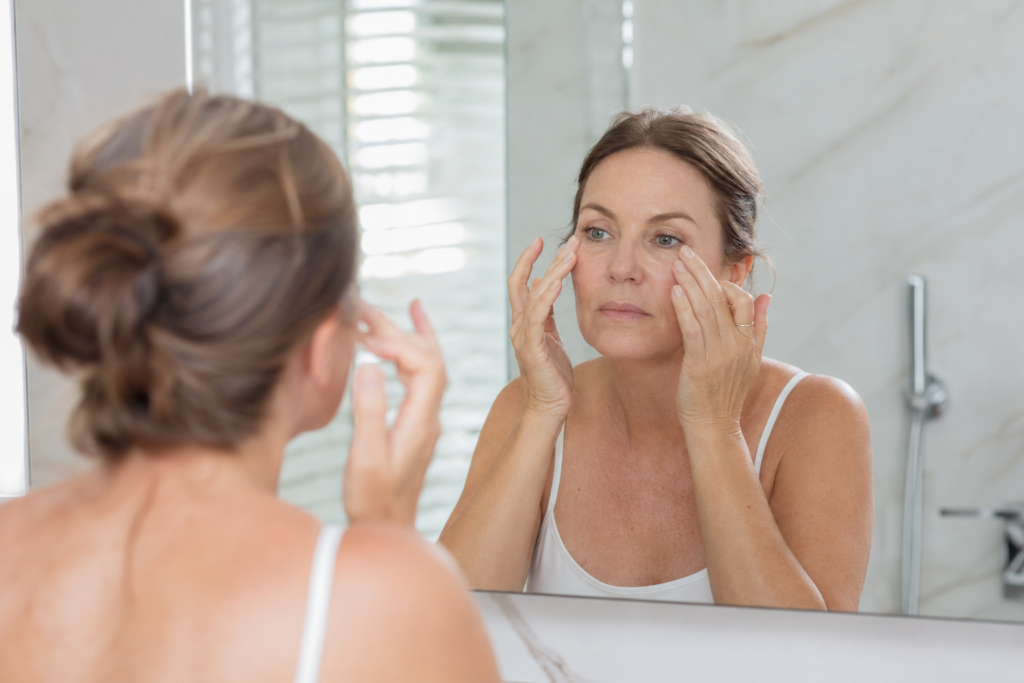
There’s a specific reason skin can feel noticeably thinner and less resilient within just a few months of hitting perimenopause — researchers call it the “collagen cliff.” Estrogen plays a direct role in collagen production, and when levels drop sharply, so does your skin’s structural support. Here’s what’s actually happening beneath the surface, and why it feels so sudden.
The texture changes feel like they happened over a single weekend. Makeup that used to glide on smoothly now settles into fine creases, and your favorite rich creams seem to sit on the surface, leaving your skin feeling tight and papery an hour later. You might find yourself switching products constantly, hoping each new jar will restore that familiar firmness and plumpness. It is incredibly easy to feel like you did something wrong, or that you neglected your skin barrier somewhere along the way. But here’s the thing—this has nothing to do with your habits, your lifestyle, or how well you took care of your face in your twenties and thirties. Your body is simply following a physiological blueprint, and the changes you see are a normal response to shifting internal signals.
The short answer: The "collagen cliff" occurs during perimenopause and menopause because dropping estrogen levels directly slow down the cells that build skin structure. Research shows women can lose up to 30 percent of their skin's collagen within the first five years after menopause, making targeted, fragrance-free solutions essential.
The Biological Science Behind Collagen Loss Menopause Skin
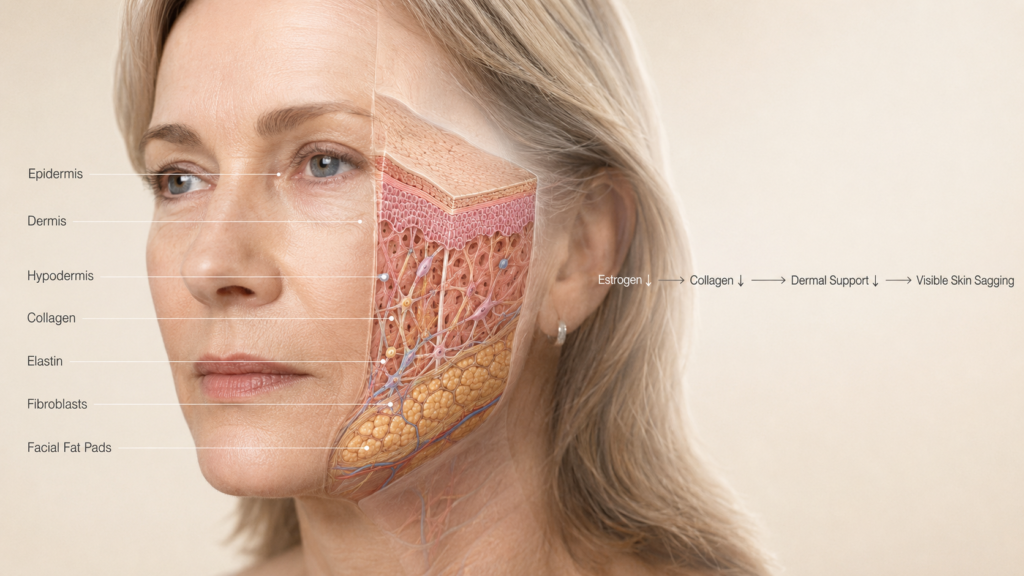
What is dermal collagen? Dermal collagen is the structural protein that serves as the main scaffolding for your skin, giving it firmness and bounce. When estrogen levels drop, the body’s natural production of this vital protein slows down dramatically.
For decades, your skin relied on estrogen to communicate with fibroblasts, the cells responsible for spinning new collagen fibers and maintaining skin density. According to the American Society of Plastic Surgeons (ASPS), research shows that women can lose up to 30 percent of their dermal collagen within the first five years after menopause, followed by an additional 2 percent decline each year. This rapid drop is precisely why your standard moisturizers suddenly feel inadequate.
The timing of this shift can feel incredibly abrupt to many women. Peer-reviewed research published in Clinical Interventions in Aging confirms that skin thickness decreases by 1.13% per postmenopausal year, accompanied by a 2% annual decline in overall collagen content. The study emphasizes that many women report a sudden onset of skin aging just months after menopausal symptoms begin, validating the experience of a sudden structural shift. Waning estrogen levels can also cause skin to appear wrinkled, crepey, or sagging.
| Hormonal Shift | Impact on Skin Structure | Resulting Skin Symptom |
|---|---|---|
| Dropping Estrogen Levels | Dermal collagen synthesis drops by up to 30% | Loss of firmness and visible sagging |
| Slower Fibroblast Activity | Skin thickness decreases by 1.13% annually | Crepey skin texture and paper-like thinning |
| Weakened Skin Barrier | Transepidermal water loss increases significantly | Crepey skin texture and paper-like thinning |
Why Your Old Skincare Routine Fails Now
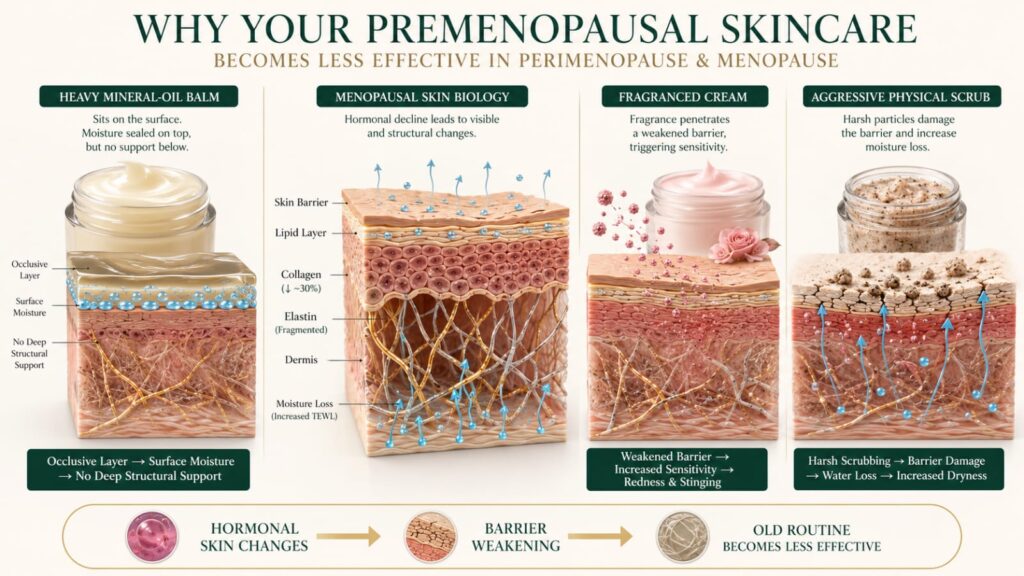
When the skin structure changes so rapidly, products designed for generic hydration or simple surface exfoliation can no longer keep up. This happens because the fundamental mechanics of your skin barrier have evolved. Here are a few common skincare habits that often stop working during perimenopause and menopause:
- Heavy, mineral-oil-based balms: These sit on top of the skin to trap moisture but do nothing to address underlying structural depletion or help the thinning dermis retain its own water content.
- Fragrant floral oils and creams: As estrogen drops, the skin barrier becomes more permeable and reactive, meaning synthetic or natural fragrances that never bothered you before can suddenly cause redness, stinging, and flushing.
- Aggressive physical scrubs: Exfoliating too harshly damages an already delicate skin barrier, worsening dryness and accelerating moisture loss when the skin lacks the framework to repair itself quickly.
Disclosure:-This post contains affiliate links; if you buy through them, GlowAfter40 may earn a small commission at no extra cost to you.
Fragrance Free Menopause Skincare Solutions That Work
Restoring comfort to your skin requires targeted formulations that focus on cellular communication, building density, and intense barrier repair without introducing irritating perfumes.
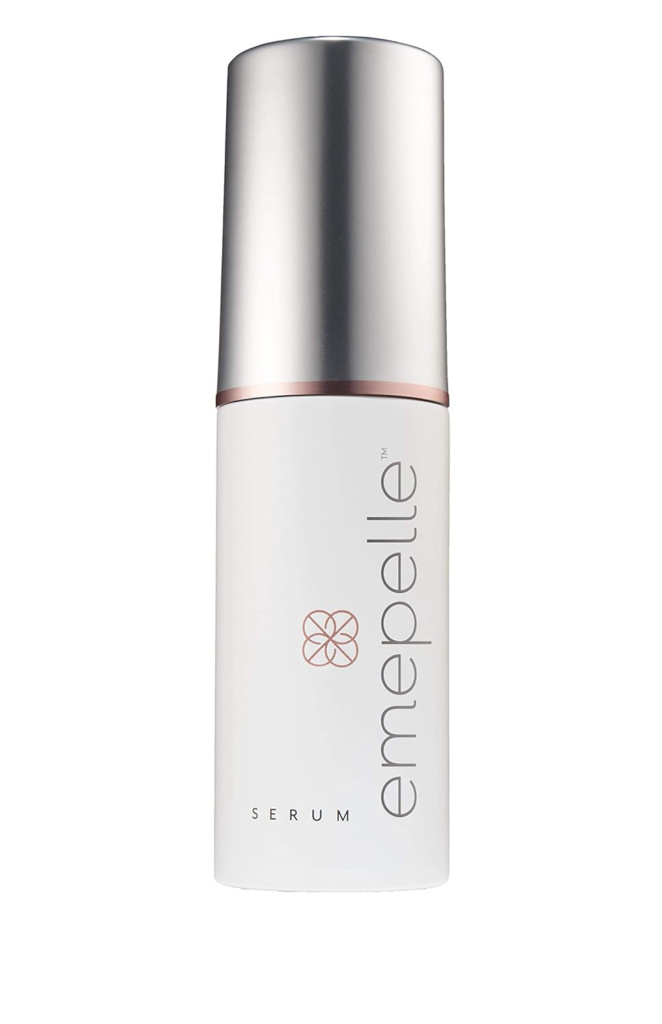
1.Emepelle Face Serum with MEP Technology Treatment Serum (Non-Hormonal)
If you feel like your skin is thinning out by the day and losing its core substance, this targeted treatment is designed to address that specific emptiness. It features MEP Technology, a non-hormonal ingredient that safely mimics the pathway of estrogen to help re-awaken your skin’s natural collagen production. This fragrance-free option fits women experiencing severe skin thinning or paper-like texture changes during perimenopause and menopause. Honestly, the main limitation is the premium price point, and you will need to commit to a consistent eight weeks of daily use before you begin seeing visible structural improvement.
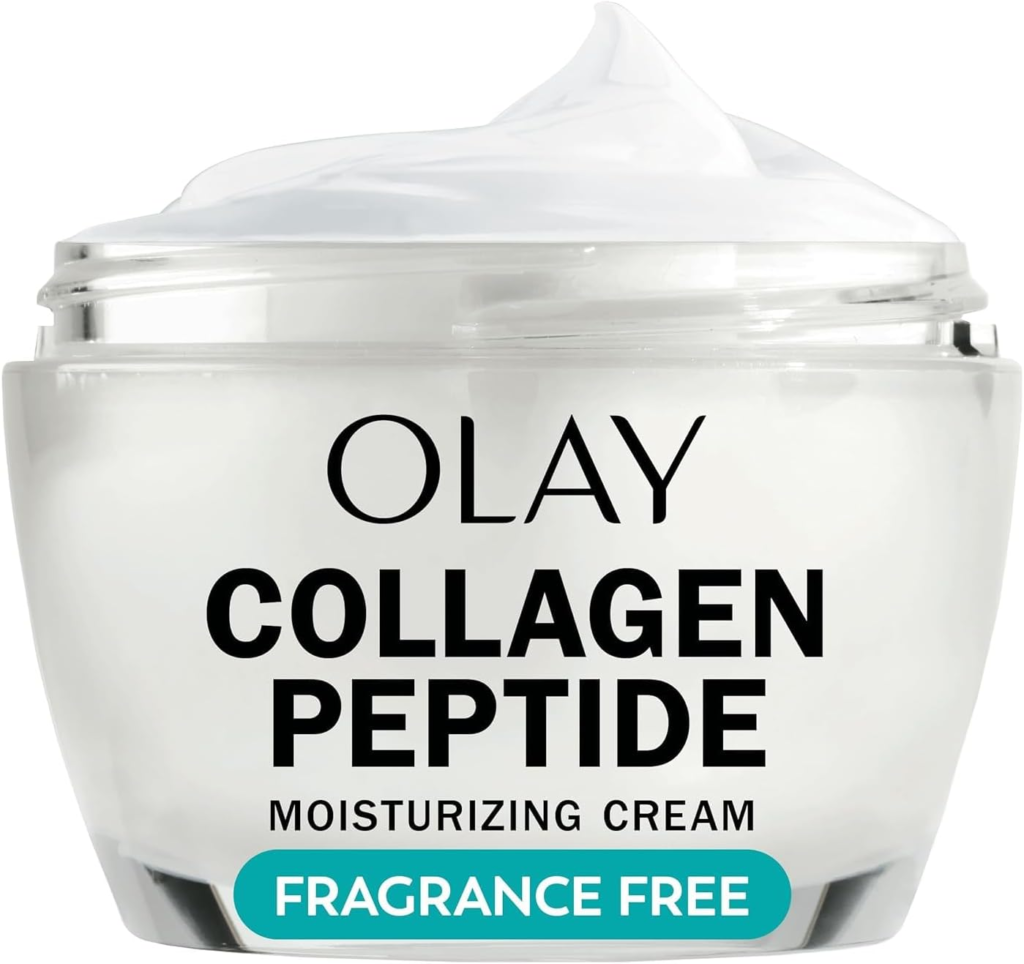
2.Olay Regenerist Collagen Peptide 24 Face Moisturizer, Fragrance-Free Daily Face Moisturize
If your skin feels completely deflated but you do not want to spend a fortune trying to plump it back up, this accessible moisturizer offers an efficient everyday solution. It delivers a potent combination of collagen peptides and vitamin B3 (niacinamide) deep into the surface layers to optimize hydration and smoothness. This lightweight formula fits anyone looking for an affordable, high-performing drugstore option with a proven track record. Just be aware that it does not contain actual topical collagen molecules, focusing instead on peptides that prompt your skin to do its own heavy lifting.
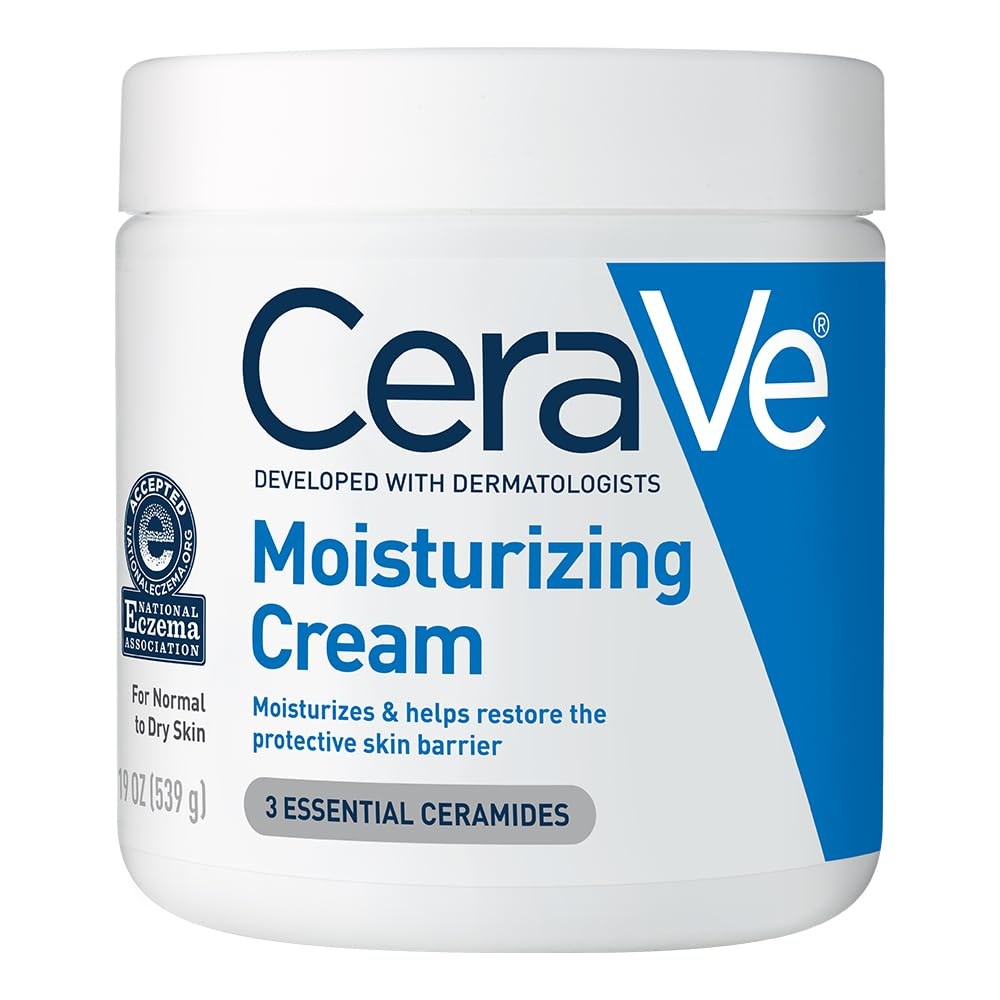
3.CeraVe Moisturizing Cream Barrier-Repairing Cream
If your face stings and feels intensely parched the minute you step out of the shower, this comforting cream provides immediate relief to your raw skin barrier. Packed with three essential ceramides and hyaluronic acid, it locks down moisture and prevents the intense water loss that happens when skin thins out. This budget-friendly option fits those dealing with extreme dryness, flaking, or heightened skin sensitivity during midlife shifts. That said, its incredibly thick, rich texture can feel a bit too heavy or dense for comfortable daytime wear under makeup, making it ideal as a dedicated night treatment.
What to Expect: A Realistic Timeline for Your Skin
Addressing estrogen and skin collagen shifts takes patience because changing cellular behavior requires time. When you switch to a dedicated routine, your recovery moves through specific biological phases.
| Timeline | What is Happening Beneath the Surface | What You Will See in the Mirror |
|---|---|---|
| Week 1 | Hyaluronic acid and ceramides begin replenishing moisture levels in the stratum corneum. | Surface tightness eases, and your skin stops stinging during product application. |
| Week 2 | The skin barrier begins to patch its structural leaks, reducing transepidermal water loss. | Flaking subsides, and your face retains a smooth texture through the entire afternoon. |
| Week 4 | Peptides and active ingredients prompt deeper cellular communication within the dermis. | Skin appears visibly plumper, with a subtle improvement in overall bounce and brightness. |
| Week 8 | Cellular turnover cycles complete, and newly supported dermal structure stabilizes. | Crepey skin menopause treatment benefits show; fine lines soften, and skin feels firmer. |
Your skin will not become a flawless teenage canvas, nor should that be the goal. What it will become is deeply nourished, smooth, and resilient, carrying a radiant vitality that shows your skin barrier is fully supported.
Common Questions About Menopause Skin and Collagen
Can taking oral collagen supplements reverse the collagen cliff?
While oral supplements can support overall skin hydration and elasticity from within, they cannot completely stop the hormonal shift that causes midlife structural changes. Think of them as a helpful internal companion to a targeted, topical skincare routine rather than a complete standalone fix.
Why did my skin suddenly become so sensitive to my usual products?
When estrogen levels drop, your skin produces fewer natural lipids, which weakens your protective barrier and allows irritants to penetrate more easily. Products containing synthetic fragrances or harsh alcohols that used to feel fine can suddenly cause stinging and redness.
How do I know if I have estrogen deficient skin?
If you are in perimenopause or menopause and notice your skin feels suddenly thin, papery, and persistently dry despite using heavy moisturizers, you are likely experiencing this hormone-driven shift. A loss of firmness around the jawline and cheeks is another common indicator that your structural framework needs targeted support.
One Simple Step to Take Tonight
Managing this midlife structural transition does not require a complicated, fifteen-step regimen that leaves your skin feeling inflamed and overwhelmed. The most effective approach is to simplify your routine by removing irritating synthetic perfumes and focusing entirely on barrier support and cellular communication. Tonight, take a look at your current products and swap out any heavily scented lotions for a gentle, fragrance-free formula rich in ceramides or peptides. Giving your skin the specific structural nourishment it needs right now will help restore the lasting comfort and radiant resilience you deserve.
Explore More Articles on Menopause Skincare & Beauty:-