
Do Collagen Peptide Supplements Help Menopause Skin Sagging?
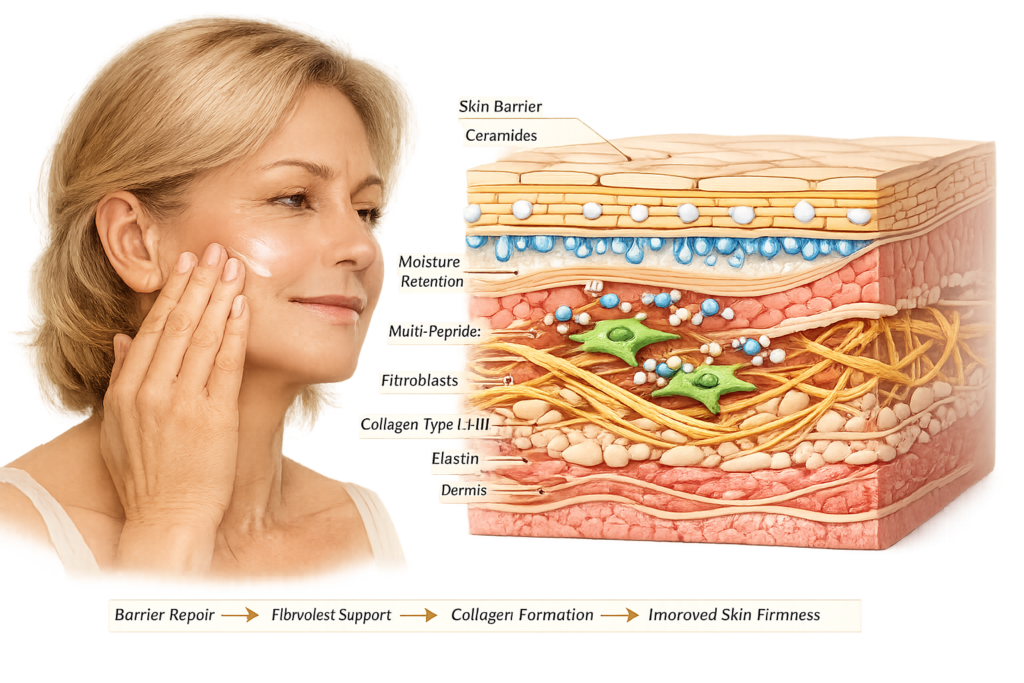
Topical serums work on the skin’s surface, but hydrolyzed collagen peptides work from within — supplying the amino acid building blocks your body needs to produce collagen as estrogen decline slows natural production. Here’s what the research actually says about oral collagen supplements for sagging skin, and which peptide types show real evidence.
The short answer: Menopause skin sagging is driven by a rapid drop in estrogen, which can deplete up to 30% of dermal collagen within the first five years of the transition. Clinical studies show that daily oral supplementation with hydrolyzed Type I and Type III collagen peptides significantly improves skin hydration and tissue elasticity from the inside out.
You might notice it first when catching your reflection unexpectedly or trying to apply your favorite foundation. The skin feels thinner, less resilient, and slow to snap back when pinched. It feels as though the structural scaffolding holding your face upright has quietly shifted overnight. This experience is incredibly common, yet rarely discussed with the empathy it deserves. Many women find themselves buying heavy topical creams that promise instant lifting, only to feel let down when those surface solutions sit blankly on the outer barrier without changing the structure underneath.
Defusing the Midlife Skincare Shame
If you feel frustrated or disconnected from your changing reflection, please know that this is not a personal failure. You did not neglect your skin, nor did you choose the wrong products. Your body is navigating an entirely natural structural reorganization, and your skin is simply reacting to a shift in its internal building blocks. It is completely normal to seek out answers that honor what your body is experiencing right now.
The Real Biology Behind Menopause Skin Sagging
The sudden loss of facial bounce is directly tied to the deep layers of your skin tissue. During the perimenopause and menopause transition, our bodies experience a significant decline in estrogen production. This specific shift has a dramatic, cascading effect on our dermal structure.
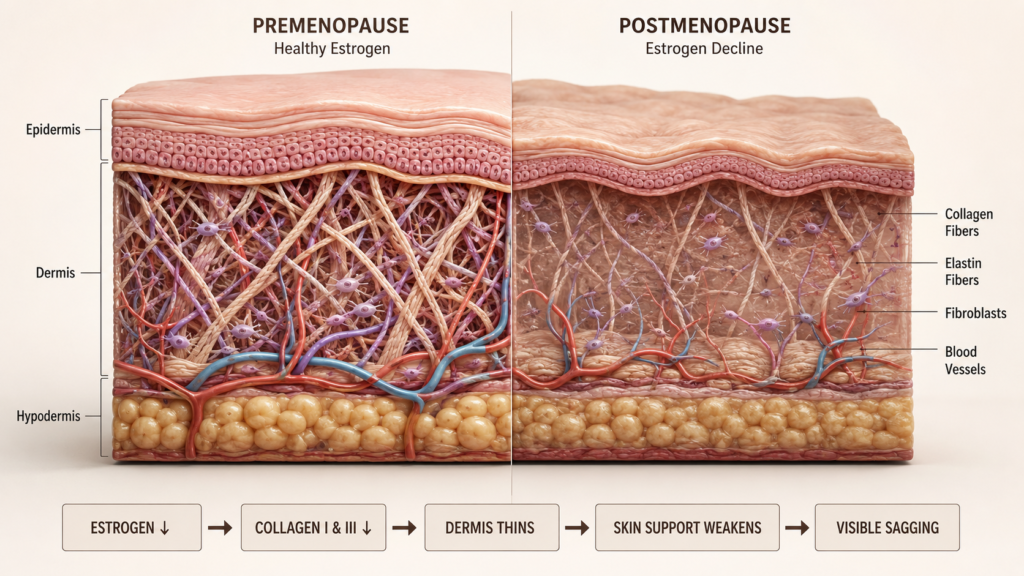
According to a peer-reviewed study published in the Journal of Integrative Dermatology, this abrupt decline in estrogen leads to a substantial reduction in dermal collagen content, estimated at up to 30% in the first five years after menopause. Estrogen normally stimulates collagen maturation and turnover. When those levels drop, it leads to a marked decrease in skin thickness and a sharp decline in collagen types I and III.
What is dermal collagen? Dermal collagen is the primary structural protein that makes up the supportive framework of your skin, giving it tightness, suppleness, and resilience.
As noted by the experts at the Mayo Clinic, at least 30% of your body—including your skin, bones, tendons, and organs—is composed of collagen. It functions as the supportive tissue of the skin, helping give it its tightness and suppleness. As you lose this essential protein over time, it leads directly to the sagging and thinning of the skin that many women observe in midlife.
Why Traditional Topical Solutions Often Fail
When faced with a loss of firmness, the instinctive reaction is to reach for a luxurious lifting cream or a firming serum. However, most traditional topical products cannot solve the deeper structural issues associated with menopause skin sagging.
- Molecular Size: Most intact collagen molecules in topical creams are simply too large to pass through the outer skin barrier, meaning they sit on top of the skin rather than rebuilding it from within.
- Surface Hydration Only: While a rich moisturizer can beautifully plump the very top layer of dead skin cells, it cannot replace the lost scaffolding in the deeper dermis.
- Lack of Internal Support: Topical creams do not influence systemic collagen synthesis, which is what your body truly needs during a major life transition.
Choosing the Right Support for Menopause Skin Sagging
To successfully support your skin from within, regular collagen won’t suffice. Clinical research indicates that the form of collagen you choose determines how effectively your body can utilize it.
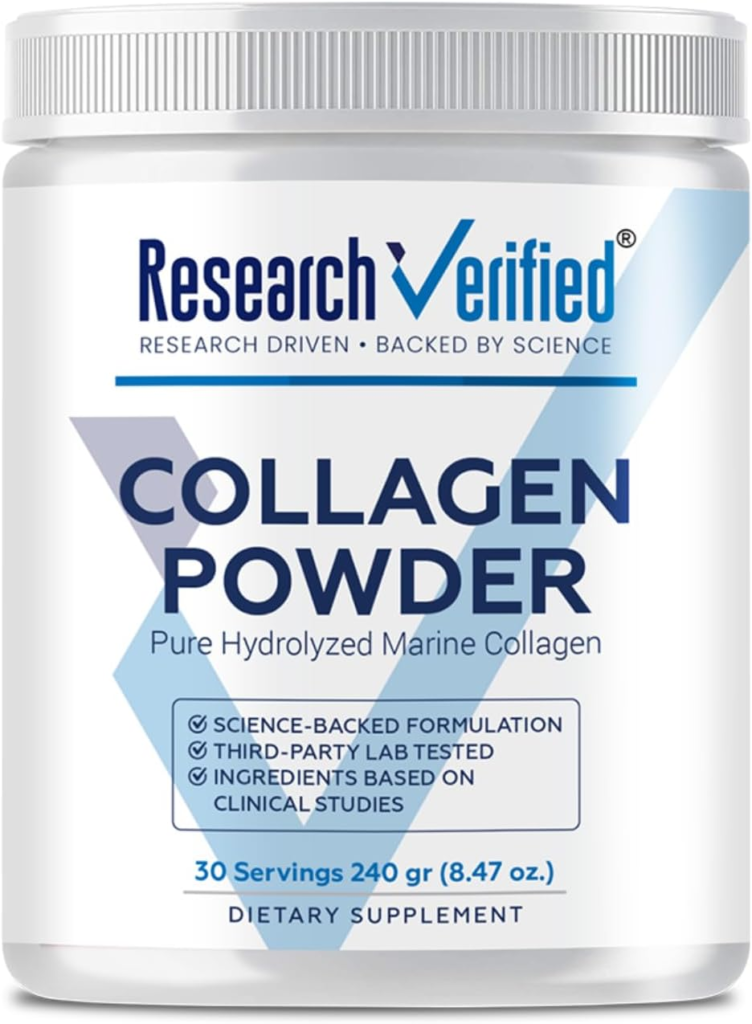
1.Research Verified® Collagen Powder – Hydrolyzed Marine Collagen Peptides
If you want a highly concentrated option with 100% hydrolyzed marine collagen peptides, this formula is designed for your routine. It provides focused Type I support sourced sustainably from wild Alaskan pollock. It dissolves smoothly and is completely scent-free for sensitive palates. However, it comes with a higher price tag than standard bovine options.
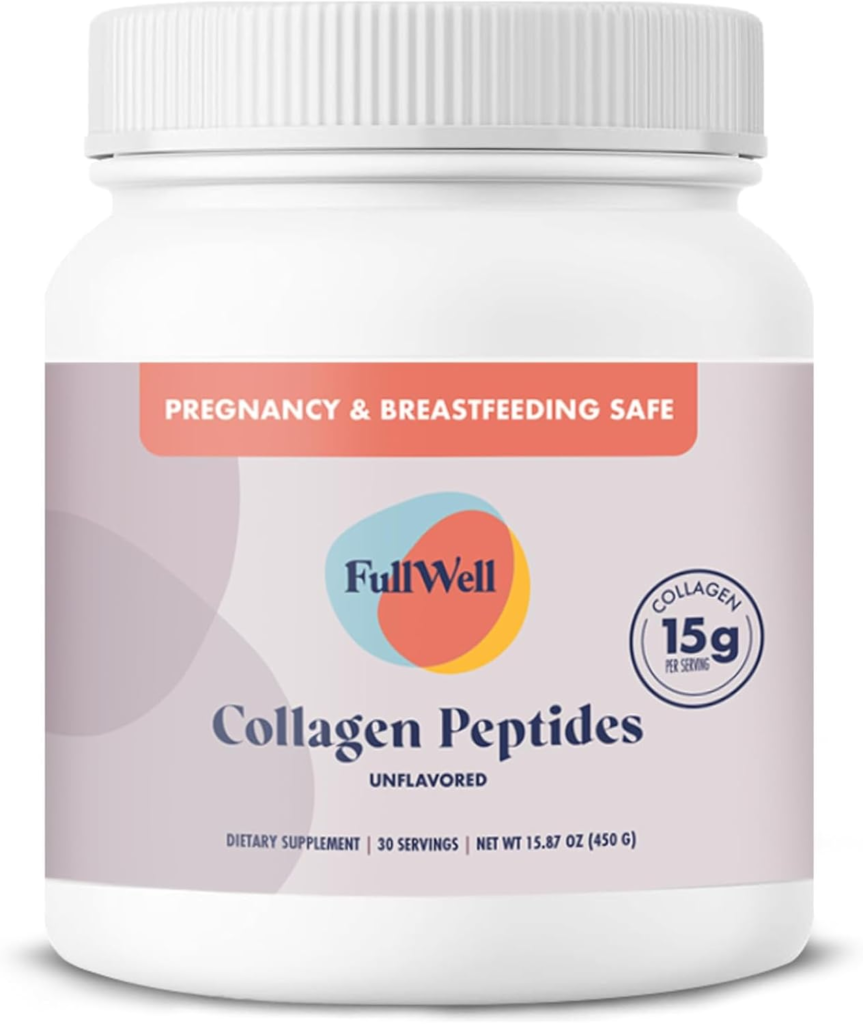
2.FullWell Unflavored Collagen Peptides Powder – Grass-Fed Hydrolyzed Bovine
If your digestive system is highly sensitive and you want a clean option vetted by medical professionals, this powder offers excellent support. It contains 15 grams of hydrolyzed bovine collagen peptides providing both Type I and Type III support. It is popular in midlife skin communities for its exceptionally straightforward, minimalist ingredient profile. Be aware that the powder is very fine, meaning it can be a bit dusty when scooping and requires thorough mixing.
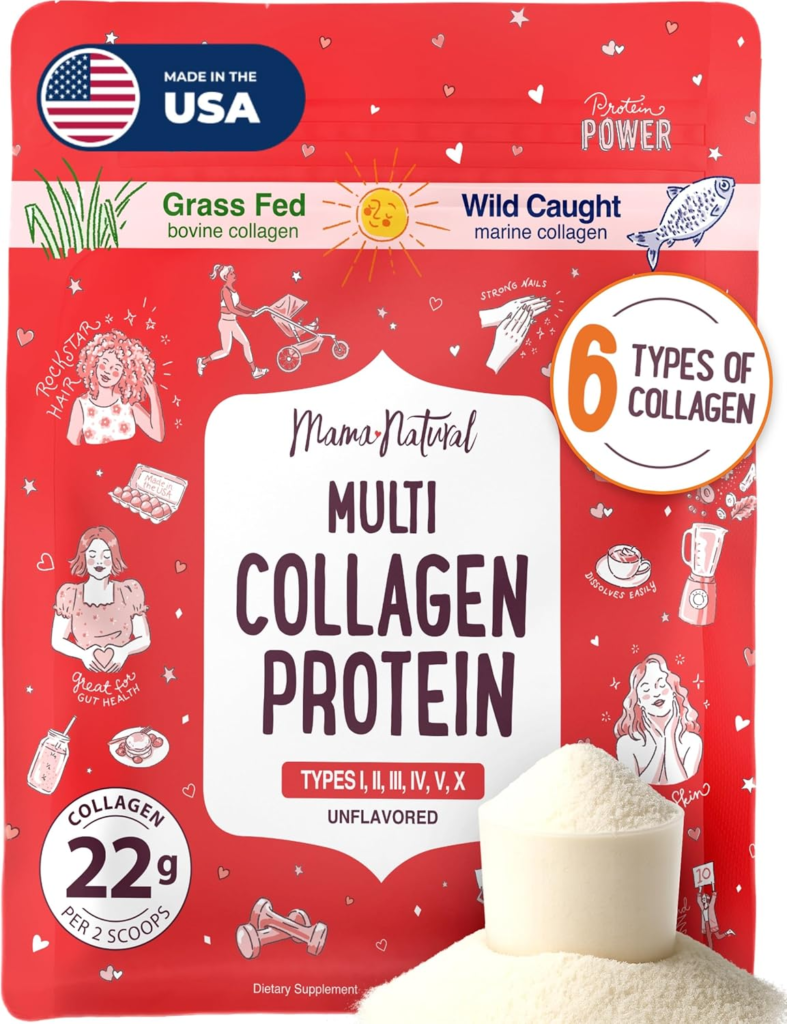
3.Mama Natural Multi Collagen Protein Powder – Multi-Source Hydrolyzed Peptides
If you are experiencing both a loss of facial contour and new joint discomfort during your transition, this broad-spectrum option targets multiple areas at once. It combines peptides from bovine, marine, chicken, and eggshell sources to deliver a wider range of collagen types. Because it utilizes multiple animal sources, it may not be suitable if you have specific food sensitivities or egg allergies.
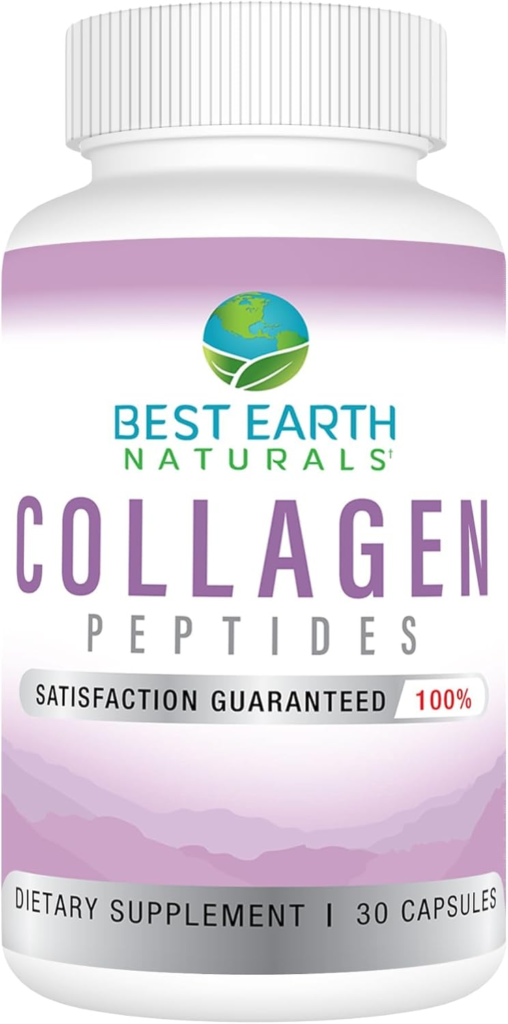
4.Best Earth Naturals Hydrolyzed Collagen Type I & III – Straightforward Peptides
If you want an honest, straightforward formula to support your skin structure without paying a massive brand markup, this budget-friendly choice fits perfectly. It provides standard Type I and Type III hydrolyzed collagen peptides in an unflavored, simple format. While it serves as an excellent budget-friendly option, it is an under-the-radar brand with a very low review count, so it lacks massive social proof online.
What to Expect: A Realistic Timeline
Rebuilding the deep structural matrix of your skin is a gradual process that requires consistency. You cannot expect overnight changes, but your body responds steadily when given the right internal support.
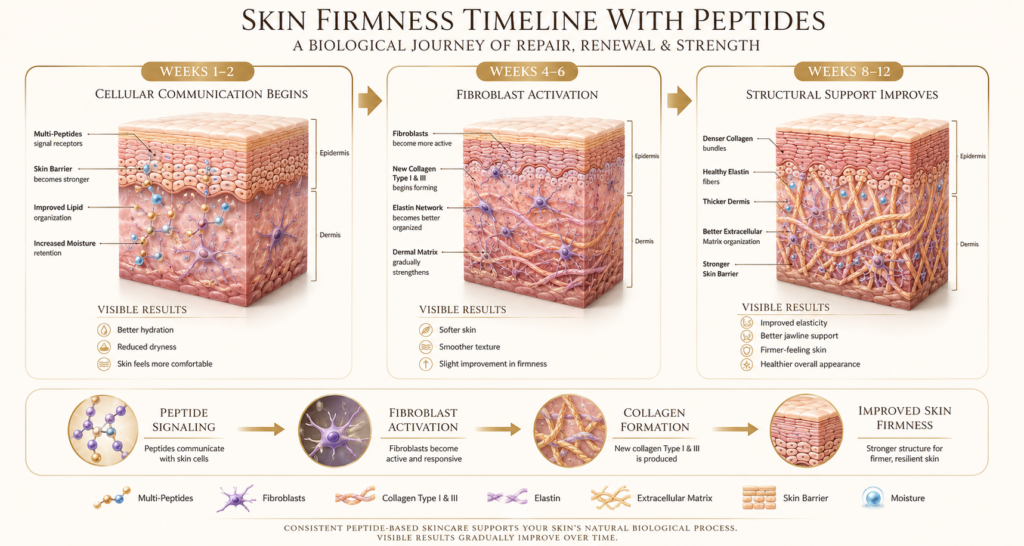
| Phase | What is Happening Internally | Expected Visible Results |
| Weeks 1–2 | Cellular adaptation begins as peptides enter the bloodstream. | Improved baseline skin hydration and reduced overall dryness. |
| Weeks 4–6 | Fibroblast cells are stimulated to produce new native tissue. | Subtle improvement in skin softness and a smoother texture. |
| Weeks 8–12 | Structural scaffolding thickens in the deeper dermal layers. | Enhanced tissue elasticity and a firmer feel along the jawline. |
Remember that everyone’s cellular turnover rate is slightly different, so maintaining a steady daily routine is the truest path to experiencing these structural benefits.
Common Questions About Managing Menopause Skin Sagging
How long do I need to take collagen to see a change in skin firmness?
Clinical meta-analyses show that structural changes become visible a ter eight to twelve weeks of daily use. Because your body uses these peptides continuously to support tissue turnover, long-term use yields far more favorable effects on skin hydration and elasticity than short-term use.
Can I get enough collagen through my normal daily diet?
While eating protein-rich foods provides basic amino acids, standard dietary collagen is difficult for the body to break down efficiently. Hydrolyzed collagen peptides are already broken down into smaller, highly bioavailable strings, making them far easier for your system to absorb and redirect to your skin tissue.
Should I look for marine or bovine sources to support my skin?
Both sources are highly effective, but they target slightly different needs. Marine collagen is rich in Type I, which is the most abundant type in our skin, making it excellent for focused surface support. Bovine collagen contains both Type I and Type III, which mimics the natural blend found in human dermal tissue, making it a great all-around choice.
One Small Action to Take Tonight
Instead of feeling overwhelmed by a complicated multi-step routine, start with one small change before bed. Find a comfortable place in your kitchen cabinet to store your unflavored peptides, right next to your morning coffee mug or tea kettle. Preparing this small structural habit tonight ensures that tomorrow morning, you are actively nourishing your skin barrier and supporting your body’s changing needs from the very start of your day.