
6 Hair Care Mistakes That Make Thinning Worse After 40
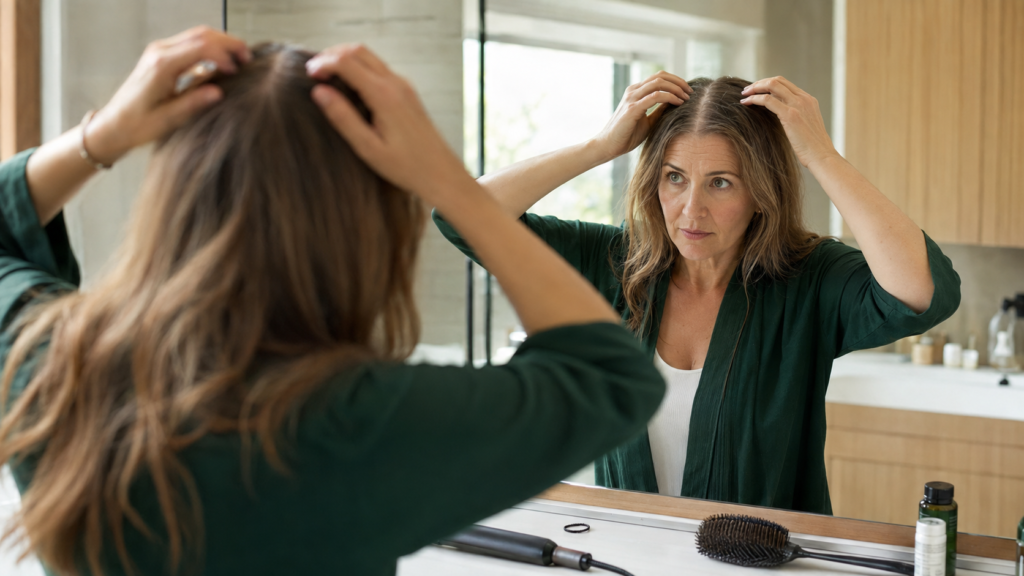
Estrogen decline, androgen dominance, and reduced sebum production already work against your hair after 40 — and without realizing it, your daily routine might be making things worse. Aggressive heat styling, daily washing, and outdated products can strip fragile strands further. Here are the 6 most common mistakes, and the gentler swaps that actually help.
Early Top-Pick Solution: If you are experiencing midlife hair thinning driven by stress and hormonal shifts, Nutrafol Women’s Balance is a highly recommended dermatologist-backed daily oral supplement formulated specifically for women ages 45 and older.
The Moment You Realize Your Hair Has Changed
You wake up, step into the shower, and run your hands through your hair just as you have done for thirty years. But recently, the familiar lather feels different—your hair feels drier, straw-like at the ends, yet limp at the roots. You look down at the drain and see more fallen strands than usual, leaving you with a lingering, uncomfortable anxiety. It is deeply frustrating to do everything you always did, only to watch your hair lose its shine, volume, and bounce. Many women silently blame themselves, assuming they picked the wrong shampoo or that they are just “aging fast”.
The Biology: Why Your Hair Changes After 40
During perimenopause and menopause, significant physiological shifts fundamentally alter how your hair grows and behaves. Understanding these biological mechanisms helps clarify why young-adult hair routines stop working.
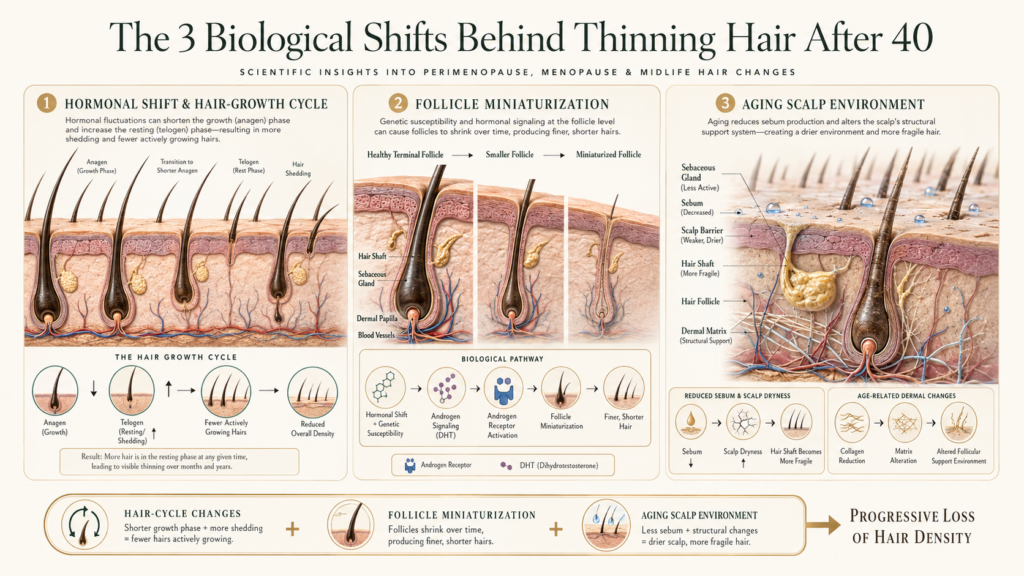
- Hormonal Decline: The reduction in estrogen and progesterone shortens the active anagen (growth) phase of hair while extending the telogen (resting/shedding) phase, leading to overall reduced density.
- Androgen Dominance: As estrogen drops, relative androgen levels (such as testosterone) increase. This triggers follicle miniaturization, where individual follicles shrink and produce finer, shorter hair fibers (Androgenetic Alopecia).
- Sebum & Collagen Loss: Aging leads to reduced sebum production from sebaceous glands, resulting in a chronically dry scalp and brittle hair shafts. Simultaneously, reduced collagen integrity affects the structural anchorage of hair follicles in the scalp dermal matrix.
Did You Know? According to research published by the American Academy of Dermatology (AAD), women lose estrogen during perimenopause, which causes natural scalp oil production to drop dramatically—making scalp-nourishing care far more crucial than simply coating hair ends with silicones.
6 Common Hair Care Mistakes Women Over 40 Make
Many mature hair care routines fail because they rely on habits formed during our 20s and 30s.
| Hair Care Mistake | What It Does to Mature Hair | What to Do Instead |
| Static Product Selection | Uses outdated formulas that ignore reduced sebum and hormonal shifts. | Switch to hyaluronic acid, glycerin, and barrier-supporting cleansers. |
| Over-Shampooing | Strips scarce natural scalp oils, accelerating dryness and breakage. | Reduce wash frequency to 2–3 times per week using sulfate-free formulas. |
| Aggressive Heat Styling | Scorches fragile, structurally weakened hair shafts. | Lower tool heat settings, air-dry when possible, and apply heat protectants. |
| Neglecting Scalp Health | Treats hair fiber while ignoring the follicle “soil”. | Incorporate gentle scalp massage and targeted scalp serums. |
| Nutritional Oversights | Overlooks deficiencies in iron (ferritin), vitamin D, biotin, and zinc. | Request a targeted blood panel from your physician. |
| Delayed Intervention | Waits until significant density loss occurs before seeking clinical guidance. | Consult a dermatologist at the first sign of excessive shedding or a widening part. |
Biggest Mistake: Buying expensive hair-volumizing sprays or heavy silicone masques when your scalp is actually suffering from systemic hormonal shedding and moisture depletion. Surface coatings cannot fix shrinking follicles.
Corrective Solutions: What Works for Mature Hair
To restore hair density, strength, and scalp comfort, focus on products specifically formulated to address midlife hormonal shifts and delicate hair fibers.
Top Dermatologist-Approved Solutions
1. Daily Systemic Support
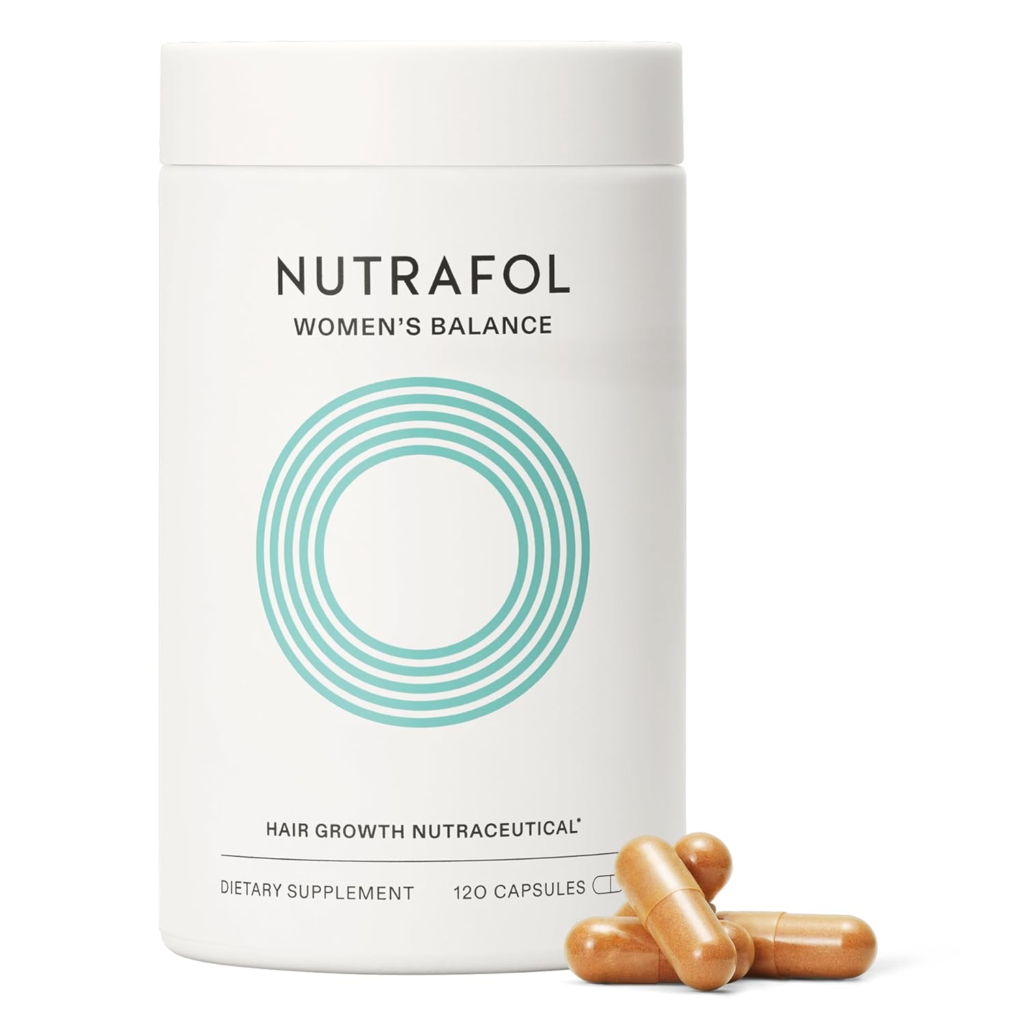
If your hair is noticeably thinning and your body is experiencing sleep disruptions or stress, this targeted formula offers multi-systemic support. Formulated specifically for perimenopausal and postmenopausal women, it utilizes medical-grade ingredients like Saw Palmetto, Ashwagandha, and Maca to target hormonal imbalances and stress-induced shedding. While it requires taking four large capsules daily and represents a premium monthly investment, clinical evidence supports its ability to improve hair growth and density over time.
2. Non-Toxic Topical Scalp Revitalizer
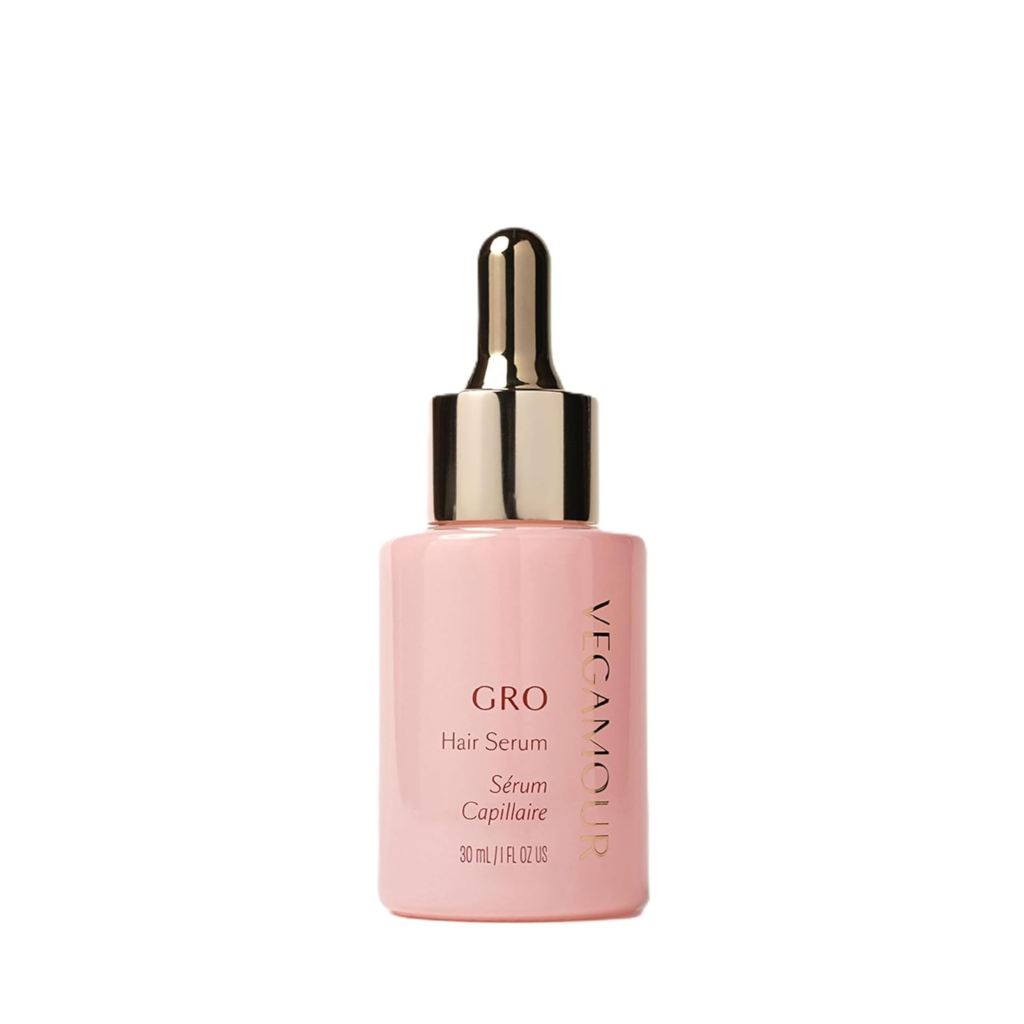
If your scalp is sensitive and heavy oils leave your styled hair looking flat or greasy, this lightweight serum is ideal. Utilizing plant-based actives such as Curcumin, Red Clover, and Mung Bean, it increases hair density and decreases daily shower shedding without harsh chemicals or toxic build-up. It absorbs instantly without ruining hairstyles, though daily continuous application is necessary to maintain long-term results.
3. Targeted Hair Regrowth Treatment
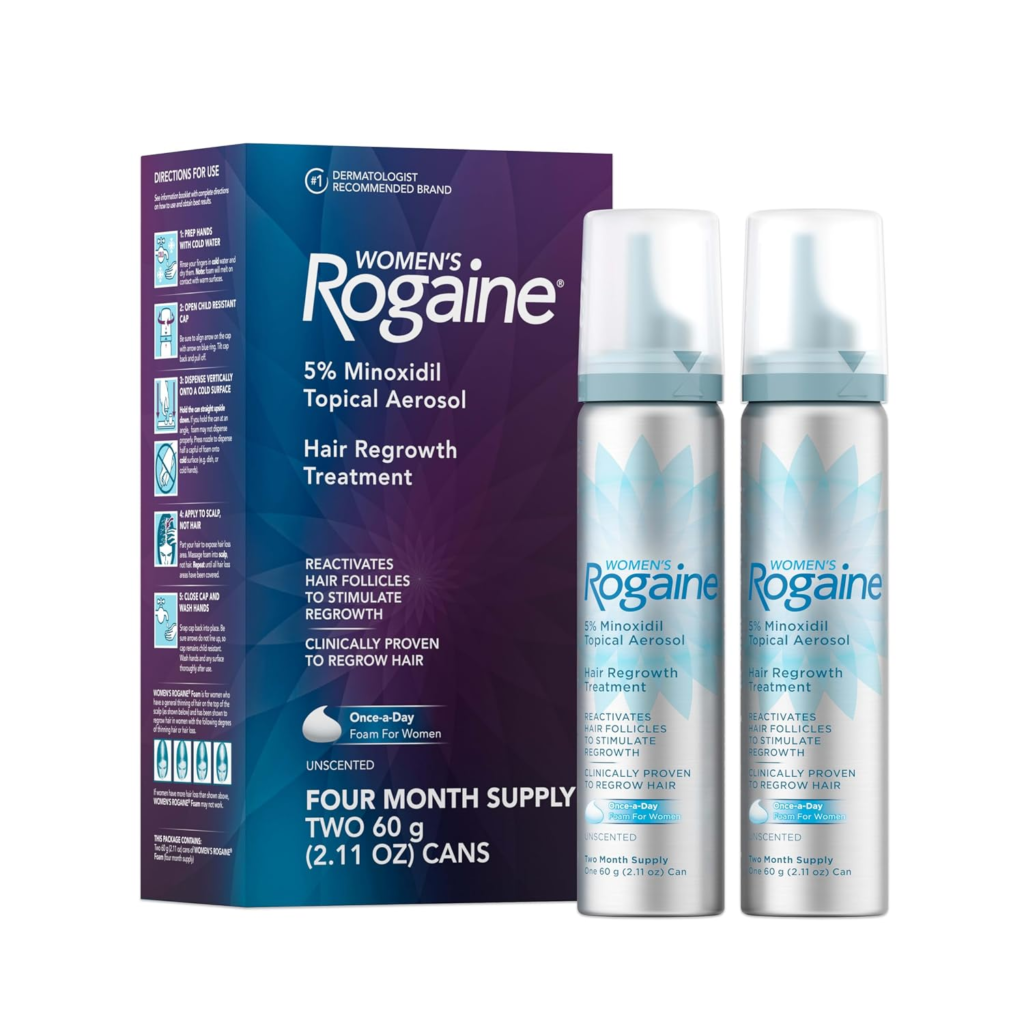
If you are seeing a visibly widening part or thinning along your crown line, this FDA-approved topical treatment is the clinical gold standard. It works by reactivating inactive follicles and prolonging the hair growth cycle. Medical professionals widely recommend early intervention with topical minoxidil for androgenetic thinning; however, users should be aware that temporary initial shedding can occur as hair cycles reset.
Quick Tip: Always apply topical scalp serums directly to a clean, damp, or dry scalp rather than coating the hair shafts, and perform a 2-minute gentle fingertip massage to increase local microcirculation.
Realistic Timeline: What to Expect
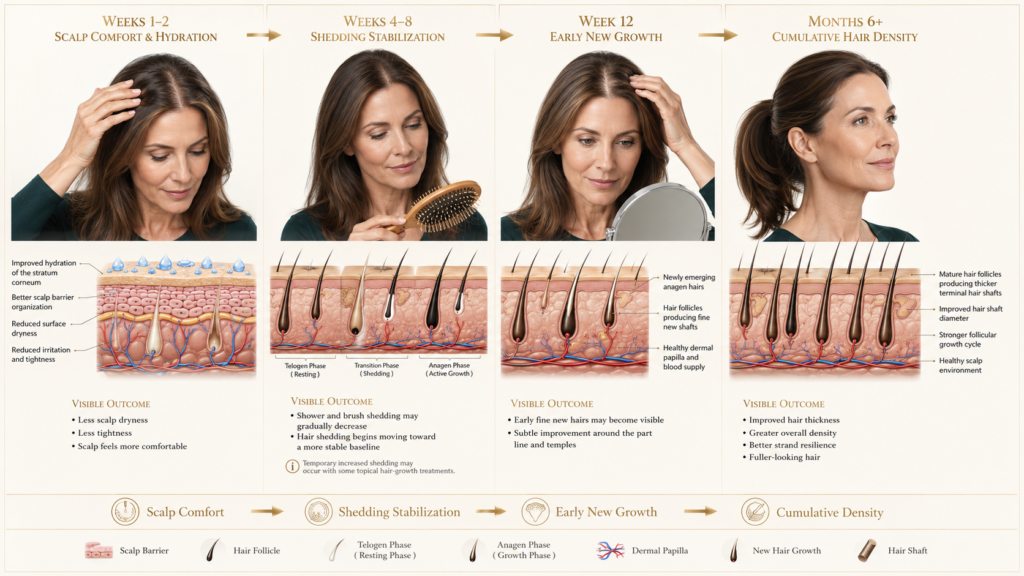
Hair growth is a slow physiological process; setting realistic expectations prevents premature frustration.
| Timeline | Expected Physiological Changes |
| Weeks 1–2 | Reduced scalp dryness and tension as gentle wash routines and hydrating scalp care begin. |
| Weeks 4–8 | Reduced shedding in the shower and brush; temporary “reset” shedding may occur with topical treatments. |
| Week 12 | Early signs of fine baby hair growth along part lines and temples. |
| Months 6+ | Visible improvements in hair thickness, density, and strand resilience. |
Save This Routine: Gentle Cleanser (2-3x/week) → Scalp Massage & Serum → Low-Heat Styling + Heat Protectant → Daily Systemic Supplement.
Frequently Asked Questions (FAQ)
Can hair loss from menopause be reversed?
While hair may not completely return to pre-menopausal density for everyone, many women experience significant improvements in density and strand quality. Consistent use of topical minoxidil, balanced nutrition, stress reduction, and HRT (where clinically appropriate) offer the best outcomes.
Does Biotin actually help with thinning hair over 40?
Biotin is only effective if you have an underlying biotin deficiency. For most women over 40, thinning is driven by hormonal ratios and reduced scalp blood flow; thus, multi-targeted approaches addressing hormones, stress, and microcirculation are far more effective than biotin alone.
Is “menopausal hair” a permanent condition?
Menopausal hair changes represent a physiological shift. However, with proper ongoing care—including reduced shampooing, proper nutrition, gentle handling, and early clinical intervention—the rate of thinning can be slowed significantly, and hair health restored.
Your Action Steps for Tonight
You do not need to overhaul your entire bathroom cabinet in a single day. Tonight, make one gentle shift: check the temperature on your hot tools, lower the setting, and skip tonight’s wash cycle to let your scalp retain its natural protective oils. Consistent, gentle care paired with targeted scalp support will protect your strands and help you feel confident in your hair’s health moving forward.
Explore More Articles on Hair Care Over 40:-