
10 Omega-3 Mistakes Stripping Your Skin Barrier (And What to Do Instead)
Eating more “healthy fats” doesn’t automatically fix a dry, flaky skin barrier — if you’re still dealing with tightness and sensitivity despite adding omega-3s to your diet, chances are one of these 10 common mistakes is quietly working against you. Here’s what’s actually going wrong, and how to fix it.
The short answer: The stratum corneum relies on eicosapentaenoic acid (EPA) and docosahexaenoic acid (DHA) to construct its protective intercellular lipid matrix. When estrogen drops during perimenopause and menopause, lipid synthesis slows, worsening transepidermal water loss (TEWL). Taking plant-based ALAs instead of marine EPA/DHA or taking fish oils on an empty stomach actively undermines your barrier recovery.
You take your daily softgels and apply heavy creams, yet by mid-afternoon your skin feels tight, parched, and uncomfortably paper-thin. Adding extra layers of humectants seems to yield diminishing returns as your skin continuously fails to hold onto water.
Skin Barrier Truth: If your moisturizer seems to disappear within a few hours, the problem may not be the moisturizer itself—it may be a weakened skin barrier that lacks essential fatty acid mortar. The truth is, you aren’t failing at skincare. Everyday mistakes in how essential fatty acids are consumed and applied can prevent your body from incorporating these vital lipids into your skin.
What Essential Fatty Acids Actually Do in the Dermal Barrier
The outermost layer of your skin, the stratum corneum, functions much like a brick wall. Your skin cells act as the bricks, while a precise matrix of lipids—composed of ceramides, cholesterol, and essential fatty acids—serves as the mortar holding everything together. When estrogen declines during perimenopause and menopause, natural lipid production drops significantly. This creates microscopic gaps in the lipid mortar, allowing internal moisture to escape rapidly through transepidermal water loss (TEWL).
What is Transepidermal Water Loss (TEWL)? TEWL is the passive evaporation of water from the deep dermal layers into the surrounding air. When lipid levels fall, TEWL accelerates, leaving skin raw, reactive, and chronically dehydrated.
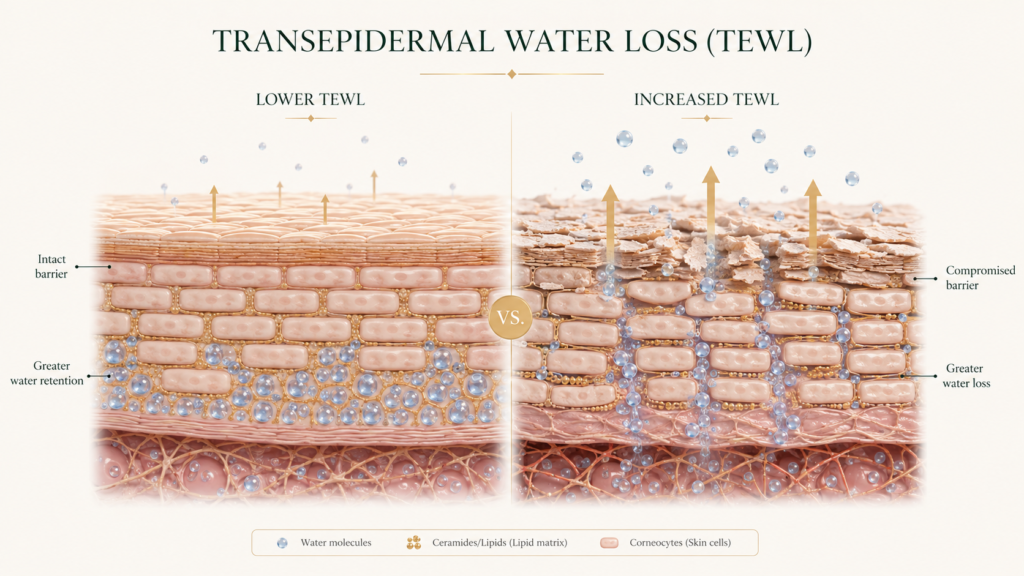
According to clinical research published in the National Institutes of Health Marine Omega-3 Dermal Study, systemic essential fatty acids—specifically marine-derived EPA and DHA—play an indispensable role in maintaining cell membrane integrity and quelling pro-inflammatory signaling. DHA is particularly vital for supporting filaggrin, a key structural protein that breaks down into Natural Moisturizing Factors (NMF).
What Research Shows vs. What Marketing Says
Separating proven dermatological science from common marketing assumptions is crucial for real barrier recovery
| What Is Clinically Proven | What Is Overhyped Marketing |
| Direct marine EPA and DHA incorporate efficiently into dermal cell membranes to lower TEWL. | Plant-based ALA (flax, chia) converts easily into sufficient EPA and DHA for barrier repair. |
| Balancing Omega-6 to Omega-3 ratios stops systemic “inflammaging” and lipid breakdown. | Applying raw seed oils topically can fix a systemic fatty acid deficiency. |
| Taking Omega-3s with a fat-containing meal increases absorption by over 50%. | Drinking excess plain water will fix a structural lipid defect in the stratum corneum. |
Myth vs. Fact Myth: Drinking more water alone will fix dry, aging skin. Fact: A damaged skin barrier lacks the lipid mortar required to hold water; without topical ceramides and systmic EPA/DHA, added water simply evaporates.How to Correct Real-Life Omega-3 Routine Mistakes
To restore a compromised barrier, you must fix the everyday habits that waste your supplements and strip your skin.
- Switch from Plant ALAs to Marine EPA/DHA: Stop relying exclusively on flaxseeds or chia seeds for your skin’s Omega-3 needs. The human body relies on the delta-6 desaturase enzyme, which converts ALA to skin-active EPA at rates below 15% and DHA at less than 1%.
- Never Take Omega-3 Softgels on an Empty Stomach: Always consume fish or algal oil supplements alongside a meal containing dietary fats. Fat triggers the release of bile enzymes; taking softgels without fat reduces bioavailability by more than half.
- Combine Systemic Nutrition with Topical Barrier Repair: Do not rely solely on creams or solely on supplements. Use a fragrance-free, lipid-replenishing emollient topically while nourishing cell membranes internally.
Biggest Mistake: Many women buy a stronger moisturizer when their skin is actually missing internal essential fatty acids, or they take fish oil on an empty stomach and waste over 50% of its barrier-repair potential.
Common daily mistakes to stop immediately:
- Consuming high amounts of Omega-6 vegetable oils: Processed seed oils compete for the same metabolic enzymes as Omega-3s, driving pro-inflammatory pathways that break down skin lipids.
- Using oxidized or rancid fish oils: Expired or damaged oils introduce free radicals into your tissue, accelerating oxidative stress.
- Aggressively exfoliating flaky skin: Scrubbing dry patches physically tears the fragile lipid barrier, dramatically worsening TEWL.
Quick Tip: Always take your Omega-3 softgel with your largest, fat-containing meal of the day, and apply your hydrating cream to slightly damp skin within 60 seconds of cleansing.
- This post contains affiliate links; if you buy through them, GlowAfter40 may earn a small commission at no extra cost to you.
Products Worth Trying for Dermal Lipid Restoration
Restoring compromised dermal lipids requires a synergistic approach combining high-potency oral supplements with targeted topical emollients.
- La Roche-Posay Lipikar AP+MAX Triple Repair Moisturizing Cream
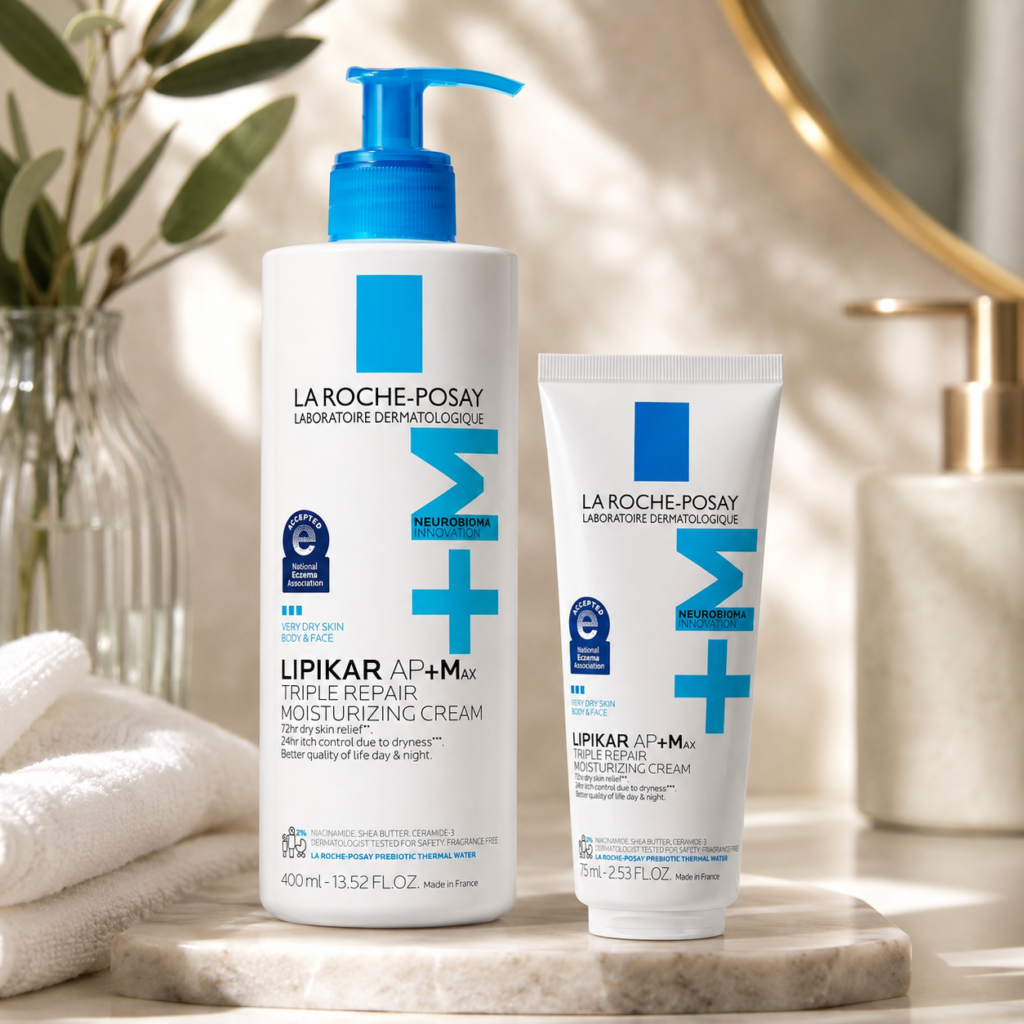
If your skin stings or feels uncomfortably tight after washing, this rich emollient provides immediate physical relief. Formulated with Ceramide-3, shea butter, niacinamide, and AP+M technology, it rebalances the skin’s microbiome while sealing micro-gaps. Best for extra dry, sensitive, or eczema-prone skin, though its rich texture may feel heavy for oily skin types.
2. Nordic Naturals Ultimate Omega
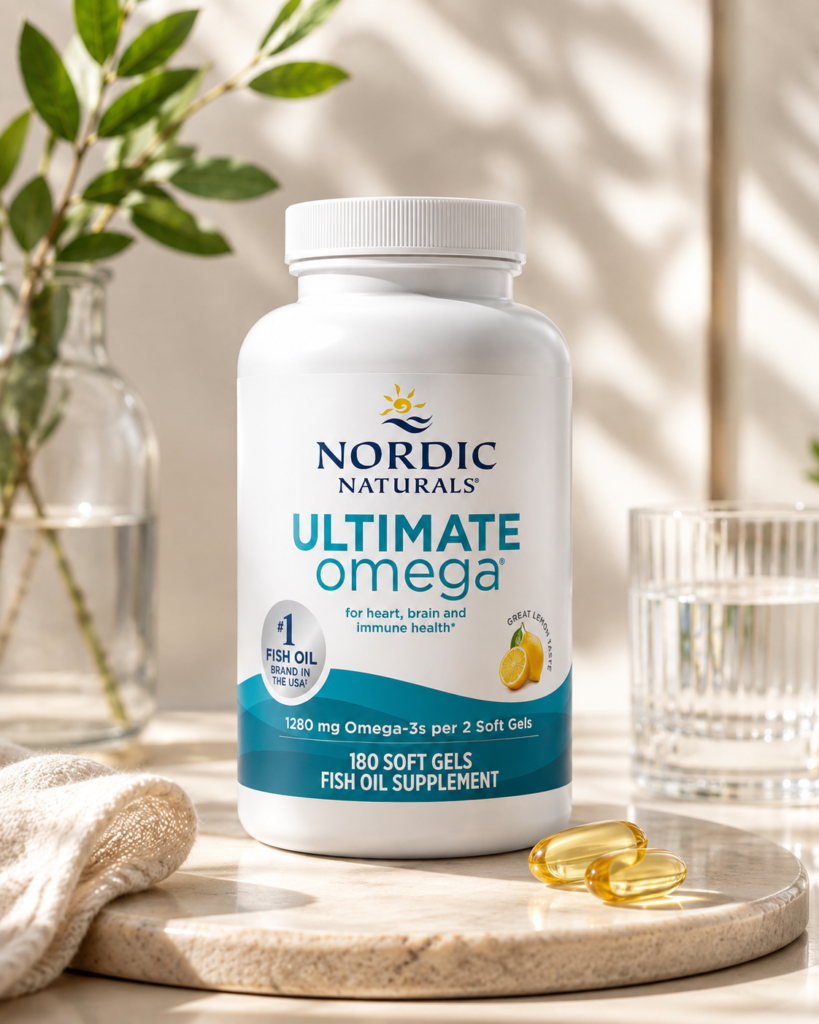
When topical creams aren’t enough to eliminate tightness, supporting your cell membranes from the inside is essential. Delivering 1,280 mg of bioavailable EPA and DHA in triglyceride form, this supplement nourishes dermal cell structure across the body. Best for systemic dryness and deep barrier support, though the softgel size can be large for some to swallow.
3. Biossance Squalane + Omega Repair Cream
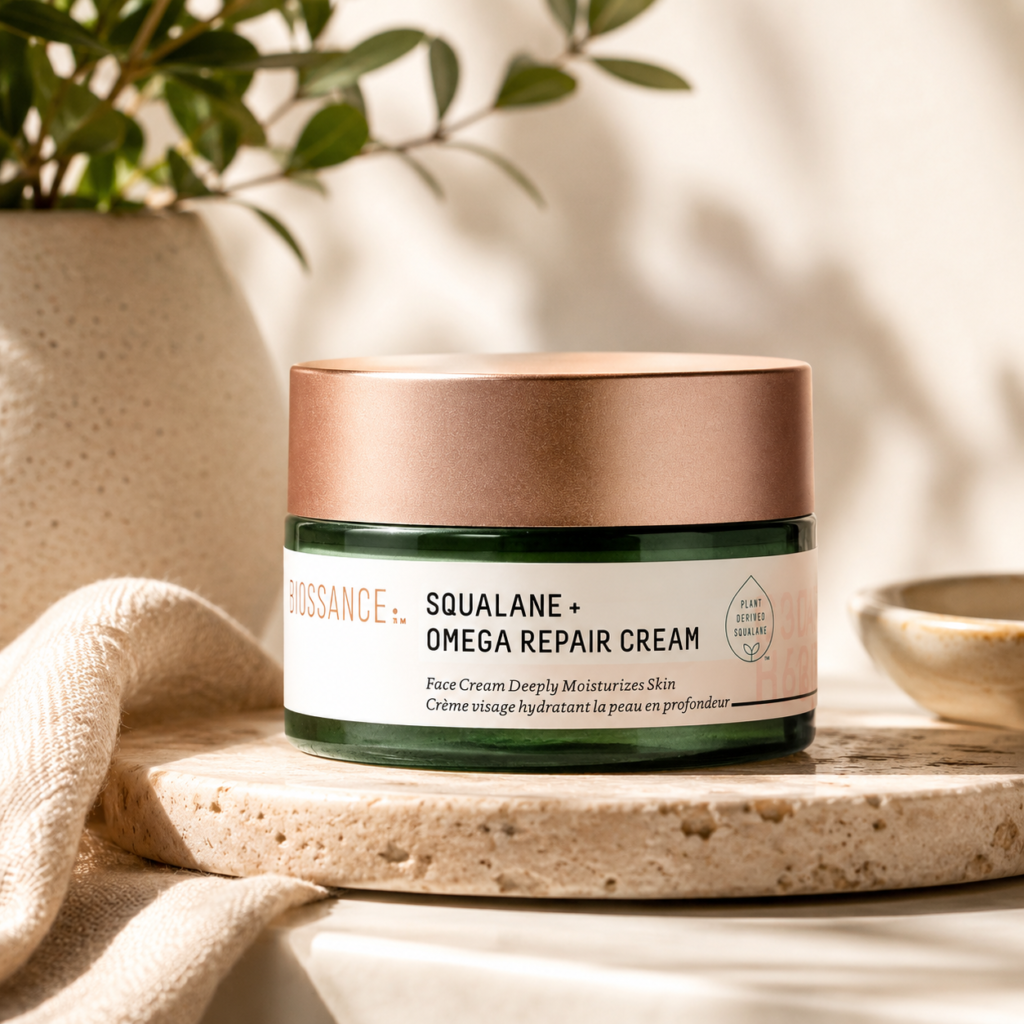
If your face appears dull and loses elasticity by midday, this lipid-identical facial moisturizer restores cushion without weight. It blends sugarcane-derived squalane with plant omegas, ceramides, and acai sterols to repair the delicate facial stratum corneum. Best for daily facial plumping and deep hydration, though it sits at a higher price point than drugstore alternatives.
Comparison of Barrier-Repair Topicals and Supplements
| Product | Primary Purpose | Key Active Ingredients | Best For | Check Price |
| La Roche-Posay Lipikar AP+MAX | Topical Body & Face Lipid Repair | Ceramide-3, Niacinamide, Shea Butter | Eczema & extra dry skin | Check Price on Amazon |
| Nordic Naturals Ultimate Omega | Systemic Dermal Membrane Support | 1280mg EPA/DHA Triglycerides | Internal barrier support | Check Price on Amazon |
| Biossance Squalane + Omega Repair | Targeted Facial Plumping & Repair | Squalane, Ceramides, Plant Omegas | Facial tightness & fine lines | Check Price on Amazon |
Realistic Timeline for Barrier Recovery
Correcting your Omega-3 intake and topical habits initiates a predictable dermal repair timeline.
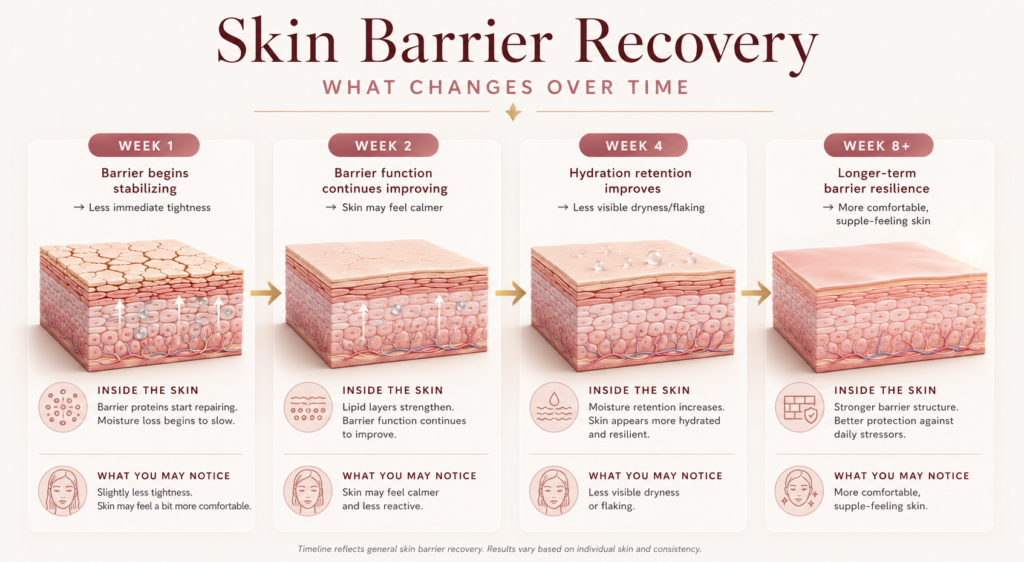
| TimeliPREMIUM AI IMAGE PROMPT — TRANSEPIDERMAL WATER LOSS (TEWL) | What Is Happening Dermally | What You Will Notice |
| Week 1 | Initial sealing of the stratum corneum; TEWL slows down. | Reduced stinging after cleansing; less immediate tightness. |
| Week 2 | Systemic inflammatory markers decline; lipid matrix stabilizes. | Less surface redness, smoother texture, improved makeup wear. |
| Week 4 | Filaggrin and Natural Moisturizing Factor production increases. | Flakiness clears; skin holds hydration throughout the day. |
| Week 8+ | Cellular membranes achieve optimal essential fatty acid balance. | Resilient, supple skin with restored elasticity and comfort. |
Your skin barrier will not rebuild overnight. What it will become is soft, comfortable, well-nourished, and resilient in this stage of life.
Frequently Asked Questions
Why shouldn’t I rely only on flaxseed or chia seeds for skin barrier repair?
Flaxseed and chia seeds contain Alpha-Linolenic Acid (ALA)[cite: 1]. The human body converts ALA to skin-active EPA and DHA inefficiently—converting less than 15% to EPA and under 1% to DHA—making direct marine or algal sources far more effective for dermal repair.
Why does taking fish oil on an empty stomach reduce its skin benefits?
Omega-3 fatty acids require dietary fats to trigger the pancreatic enzymes and bile salts needed for emulsification and absorption[cite: 1]. Taking softgels without fat reduces their bioavailability by over 50%, wasting much of the supplement[cite: 1].
How long does it take for oral Omega-3s to improve dry skin?
While surface TEWL slows down within the first week of applying topical ceramides, systemic incorporation of EPA and DHA into dermal cell membranes takes roughly 4 to 8 weeks of consistent daily intake.
Action Steps for Tonight
Tonight, correct your essential fatty acid routine. Put away physical scrubs and harsh exfoliants that strip your lipid matrix . Wash your face with lukewarm water and a non-foaming cleanser, leaving the skin damp. Seal immediately with a ceramide-rich cream, take your high-potency Omega-3 softgel with a fat-containing dinner, and give your skin the structural support it needs.
Explore More Articles on Omega-3 & Skin Health :-