
Best Omega-3 Foods to Repair Your Skin Barrier

EPA and DHA — the two key omega-3 fatty acids — work by integrating directly into your skin cell membranes, strengthening your barrier and cutting down water loss. But not all omega-3 sources deliver these compounds equally. Here’s which foods actually make a measurable difference for perimenopausal skin, and how to build them into your daily diet.
You wake up, apply a generous layer of rich moisturizer, and feel temporary relief. But by midday, your face feels tight, dry, and surprisingly uncomfortable again. It is deeply frustrating to do everything right for your skincare routine only to feel as though your skin is constantly fighting you. The silent self-blame that follows this cycle is unnecessary. When skin grows increasingly reactive or parched during midlife, the issue is rarely a lack of topical effort. The underlying barrier structure itself is changing, requiring essential lipids from the inside out to hold onto hydration.
What Essential Fatty Acids Actually Do for Your Skin Barrier
The skin is one of the most hormone-sensitive organs in the body. As estrogen production declines during the menopausal transition, lipid synthesis drops rapidly. This structural shift causes a marked increase in transepidermal water loss (TEWL), leaving the outer stratum corneum thinned, compromised, and highly susceptible to irritants.
What is the Skin Barrier Matrix? The stratum corneum operates like a brick wall, where skin cells are the bricks and intercellular lipids (ceramides, cholesterol, and fatty acids) act as the mortar. Omega-3 fatty acids help maintain the structural integrity and flexibility of this mortar, preventing moisture from evaporating.
Essential fatty acids—specifically eicosapentaenoic acid (EPA) and docosahexaenoic acid (DHA)—serve as crucial building blocks for your keratinocyte membranes. According to research published in Frontiers in Immunology, omega-3 metabolites act as specialized pro-resolving mediators (SPMs) like resolvins and protectins. These compounds actively resolve cutaneous inflammation rather than merely sitting as passive oils, providing structural resilience to fragile skin tissue.
| Biological Component | Role in Skin Health | Impact of Menopausal Transition |
| Estrogen | Stimulates collagen, lipid, and hyaluronic acid synthesis | Rapid decline leads to barrier thinning and reduced elasticity |
| Omega-3s (EPA/DHA) | Maintains cell membrane fluidity and signals anti-inflammatory responses | Dietary deficiency exacerbates xerosis, itching, and sensitivity |
| Ceramides | Forms the essential lipid “mortar” between epidermal cells | Synthesis drops significantly, accelerating moisture loss |
| Resolvins & Protectins | Actively shuts down chronic cutaneous inflammation signals | Depleted levels allow low-grade skin irritation to persist |
What Research Shows vs. What Marketing Claims
Navigating dietary and topical solutions requires separating clinical reality from clever beauty marketing.
| What Is Clinically Proven | What Is Overhyped |
| Dietary EPA/DHA incorporates directly into cell phospholipid membranes to lower TEWL. | Topical plant oils can fully replace lost epidermal ceramides on their own. |
| Omega-3s reduce inflammatory eicosanoids, easing redness and xerosis from within. | Consuming omega-3s will eliminate structural fine lines overnight without consistent intake. |
| Systemic lipid support works synergistically with topical barrier repair products. | Drinking extra water without lipid support will fix a leaky skin barrier. |
Biggest Mistake Many women buy a stronger moisturizer when their skin is actually missing barrier-repair lipids like ceramides and essential fatty acids.
How to Eat and Use Omega-3 Foods to Rebuild Barrier Health
To support your skin from within, target dietary sources rich in bioavailable EPA DHA barrier function, alongside plant-based alpha-linolenic acid (ALA):

- Wild-Caught Fatty Fish: Salmon, mackerel, sardines, and anchovies contain high concentrations of pre-formed EPA and DHA, which the body utilizes immediately without complex conversion steps.
- Flaxseeds and Chia Seeds: Outstanding plant sources of ALA. Grinding flaxseeds before consumption ensures your system can absorb the underlying lipids efficiently.
- Walnuts: Rich in plant fatty acids and antioxidants that support general cell membrane health.
- Algae Oil: A powerful direct vegan source of EPA and DHA that skips the fish intermediary while providing direct cellular support.
Quick Tip Always combine dietary omega-3 intake with a gentle topically applied ceramide cream to lock in moisture from both sides of the skin barrier matrix.
- This post contains affiliate links; if you buy through them, GlowAfter40 may earn a small commission at no extra cost to you.
Products Worth Trying for Targeted Barrier Support
While dietary intake forms the foundation, high-potency systemic supplements and focused topical formulations provide reliable reinforcement.
1) Nordic Naturals Ultimate Omega
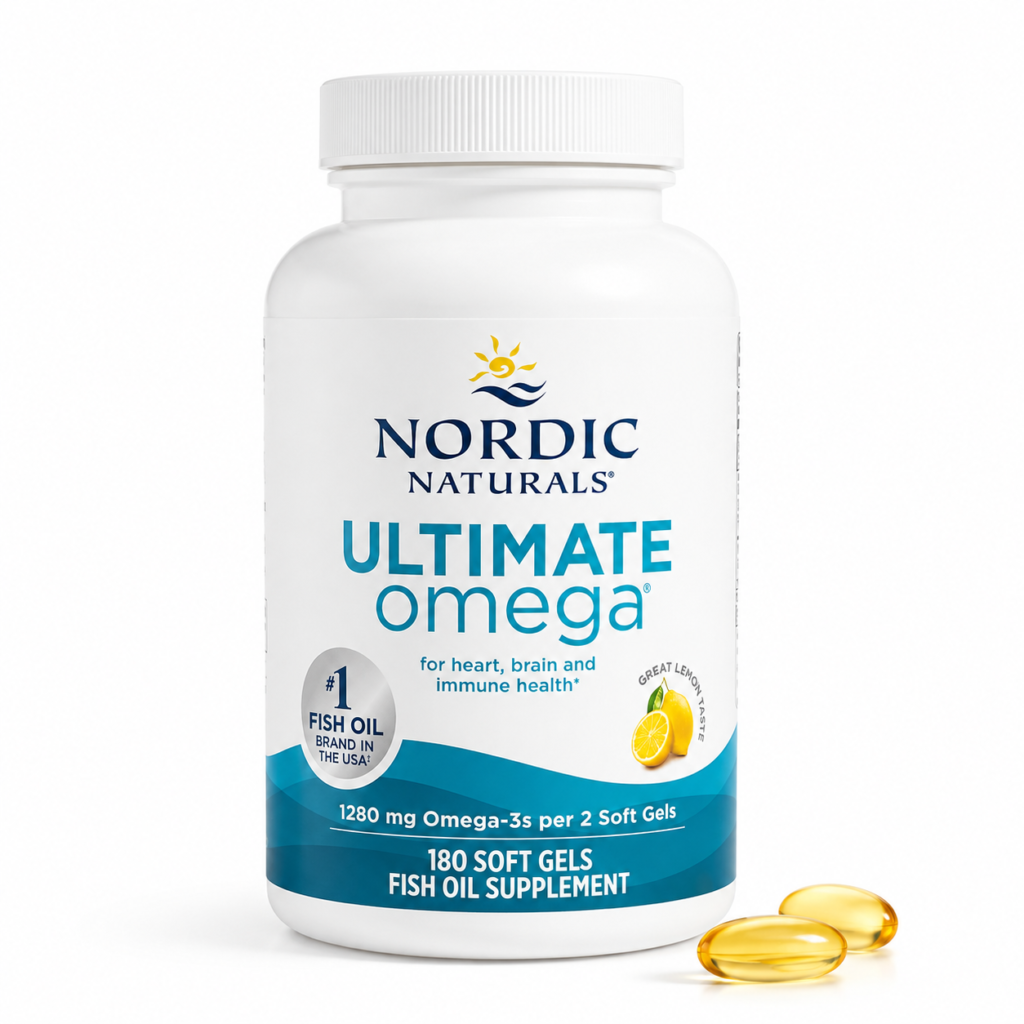
If your skin feels perpetually parched no matter how much cream you apply, this internal lipid support helps restore comfort from within. Formulated in the highly bioavailable triglyceride form, it delivers concentrated EPA and DHA to help rebuild cell membranes without any fishy aftertaste. Best for systemic dryness and reactive skin; softgels are on the larger side.
2) Paula’s Choice Omega+ Complex Moisturizer
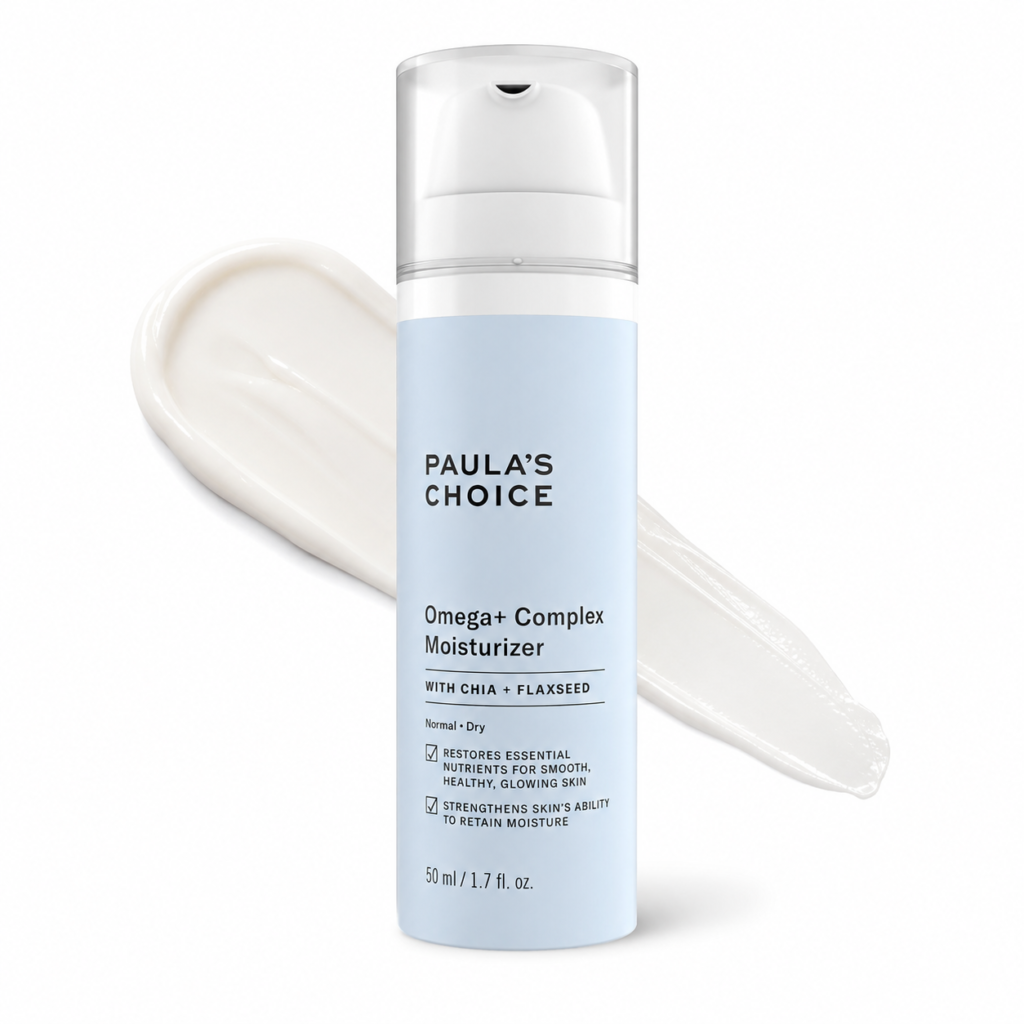
If your face feels instantly tight or stings upon applying standard lotions, this barrier-focused cream provides targeted external relief. Packed with omega 3, 6, and 9 fatty acids along with barrier-essential ceramides, it strengthens the intercellular matrix without leaving a greasy residue. Best for thinning, sensitive midlife skin; extremely dry types may want a heavier occlusive over top.
3) Sports Research Omega-3 Fish Oil
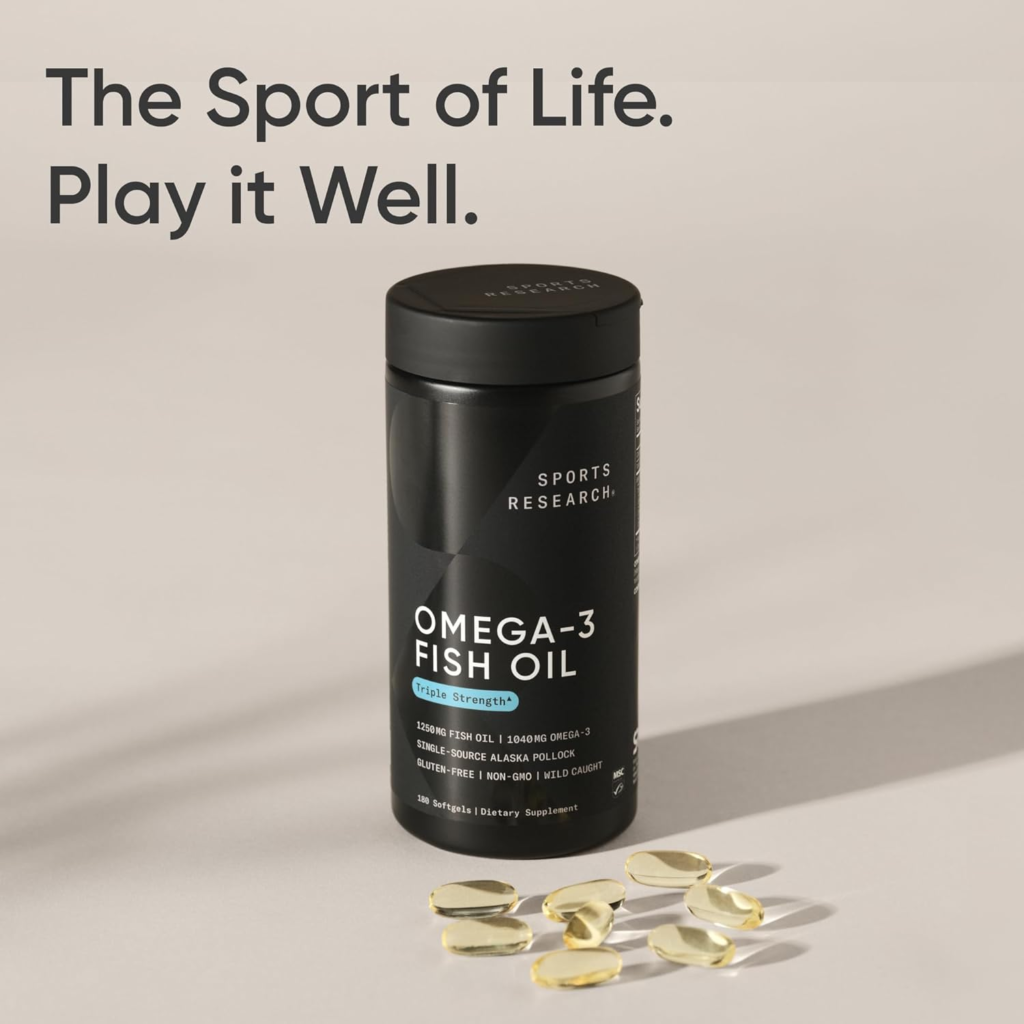
If you want a straightforward daily routine to target systemic dryness, this high-dose EPA softgel offers outstanding value. Sourced from wild Alaska Pollock, a single capsule delivers over 1,000mg of total omega-3s to support skin hydration and soothe low-grade irritation. Best for daily consistency; derived from a single fish source.
| Product | Focus / Key Ingredient | Format | Price Range | Link |
| Nordic Naturals Ultimate Omega | Concentrated EPA & DHA | Triglyceride Softgel | $28.00-$75.00 | Check Price on Amazon |
| Paula’s Choice Omega+ Complex | Omegas 3, 6, 9 + Ceramides | Topical Cream | $39.00-$42.00 | Check Price on Amazon |
| Sports Research Omega-3 | High EPA (687mg per gel) | Wild Pollock Softgel | $30.00-$35.00 | Check Price on Amazon |
What to Expect: A Realistic Barrier Repair Timeline
Rebuilding lipid levels within the stratum corneum takes deliberate, ongoing consistency.
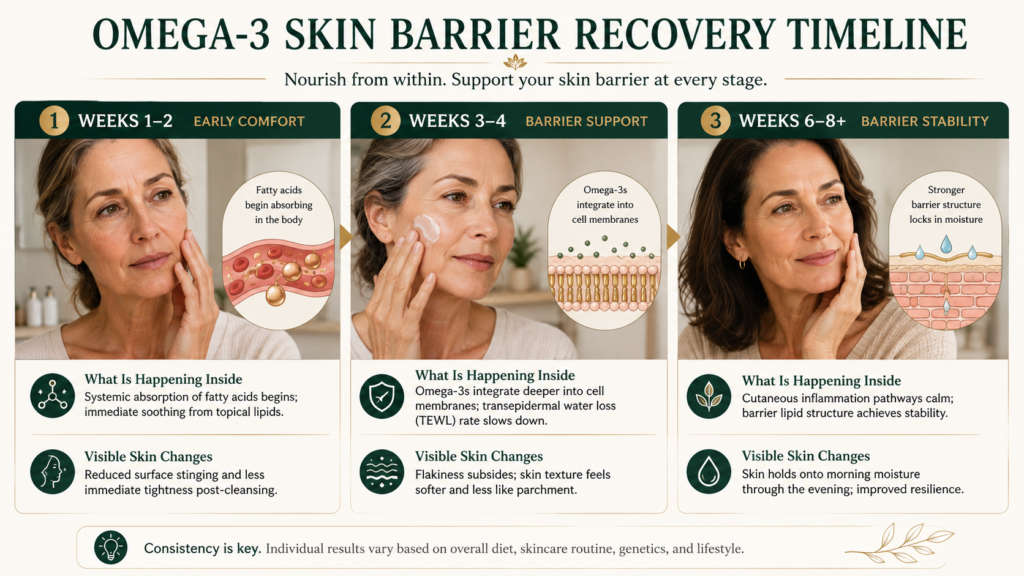
| Timeline | What Is Happening Inside | Visible Skin Changes |
| Weeks 1–2 | Systemic absorption of fatty acids begins; immediate soothing from topical lipids. | Reduced surface stinging and less immediate tightness post-cleansing. |
| Weeks 3–4 | Omega-3s integrate deeper into cell membranes; transepidermal water loss omega 3 rate slows down. | Flakiness subsides; skin texture feels softer and less like parchment. |
| Weeks 6–8+ | Cutaneous inflammation pathways calm; barrier lipid structure achieves stability. | Skin holds onto morning moisture through the evening; improved resilience. |
It will not transform your skin back to how it behaved in your twenties. What it will become is soft, comfortable, supple, and deeply resilient against daily environmental stressors.
Save This Routine Omega-3 Rich Foods + Gentle Cleanser + Ceramide Cream + Daily SPF
Frequently Asked Questions
How long does it take for omega-3 foods to improve dry skin?
Most women notice reduced tightness and less severe surface flaking within three to four weeks of daily dietary consistency. Deep cellular turnover and full menopausal skin barrier repair typically require six to eight weeks of sustained intake.
Can I fix my skin barrier using only plant sources like flaxseed?
Flaxseed provides ALA, which your body must convert into active EPA and DHA. Because this conversion rate can be low in adults, combining plant sources with pre-formed EPA/DHA from wild fish or microalgae oil produces more dramatic barrier improvements.
Will taking omega-3 supplements cause breakouts or oily skin?
Essential fatty acids balance lipid production rather than clogging pores. They help normalize the lipid quality in your skin, which can actually prevent pores from becoming congested with thick, dry sebum.
Do topical omega-3 moisturizers work as well as dietary omega-3 foods?
Topical formulations work externally on the outer stratum corneum to deliver immediate relief, whereas dietary omega-3 foods rebuild cell membrane integrity from within. Using both provides the most comprehensive barrier repair.
Your Simple Action Plan for Tonight
Rebuilding a compromised skin barrier does not require an overwhelming lifestyle overhaul. Start with one simple step tonight: add a single tablespoon of ground flaxseed or a dose of high-quality omega-3 oil to your dinner, and swap out aggressive exfoliating cleansers for a gentle, non-foaming wash. Giving your cell membranes the building blocks they need allows your skin to return to its natural state of quiet comfort. Reaching for a trusted lipid-replenishing supplement like Nordic Naturals Ultimate Omega or a rich ceramide cream ensures your barrier stays fortified overnight.
Explore More Articles on Omega-3 & Skin Health :-