
The Complete Guide to Dry, Flaking Scalp After 40
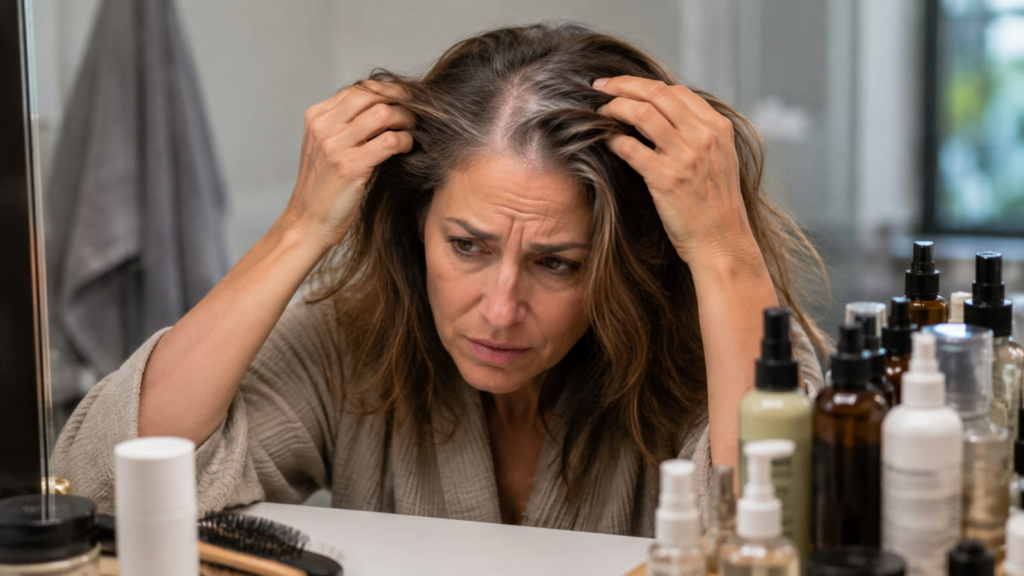
The short answer: Dry scalp after 40 rarely has one single cause — it’s usually a combination of shifting oil production, a weakening skin barrier, and hormonal changes working together. This guide walks you through what’s actually happening beneath the surface, and lays out a simple, gentle routine to bring your scalp back into balance — no guesswork required.
If your shampoo suddenly stops working or your scalp feels tight and irritated, an early option like Nizoral Anti-Dandruff Shampoo can help manage persistent flaking. That sudden tightness and persistence can make you feel like your body is quietly rebelling against routines that used to work effortlessly. You might find yourself constantly checking your shoulders or feeling self-conscious when styling your hair, wondering why basic changes are happening now.
Age itself does not create one single scalp condition, but adults experience natural shifts in oil production, skin-barrier function, and sensitivity to ordinary hair-care ingredients. Dandruff often continues smoothly through middle age, while seborrheic dermatitis becomes especially common in older adults. These symptoms can frequently worsen during periods of stress or when the weather turns cold and dry.
Why Scalp Changes Happen in Midlife
What is seborrheic dermatitis? It is a common, non-contagious inflammatory skin condition that causes scaling, flaking, and itching on oily areas of the body, including the scalp.
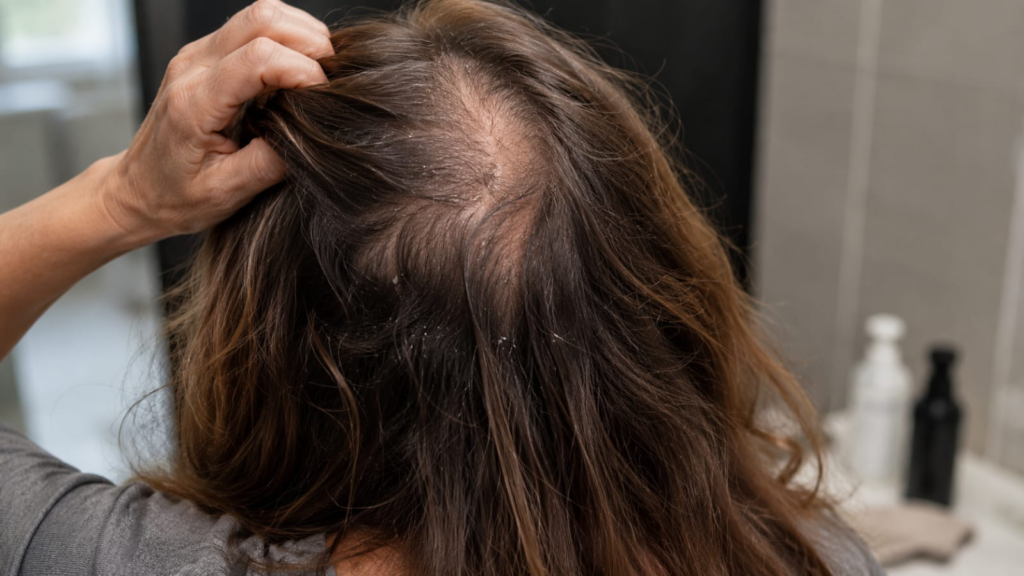
According to the Mayo Clinic, dandruff and related flaking stem from factors like yeast overgrowth, skin sensitivity, and individual oil production patterns. You can read more about these underlying mechanisms through the Mayo Clinic guide on dandruff , which offers helpful medical context. As skin-barrier function evolves, the scalp reacts differently to standard products, seasonal shifts, and styling agents.
| Condition | Typical Clues | What to Consider |
| Dandruff | Small flakes, mild itching, little or no inflammation | Often manageable with regular washing and an appropriate anti-dandruff shampoo |
| Seborrheic Dermatitis | Itchy, inflamed scalp with dry or greasy scales | Often needs ongoing maintenance because flare-ups can recur |
| Product Irritation | Burning, redness, or scaling after a new product | Stop the suspected product and seek advice if symptoms persist |
What Doesn’t Work for Midlife Flaking
When flakes appear, it is easy to fall into habits that inadvertently worsen the irritation. Avoiding these common missteps can save your scalp a lot of stress:
- Scratching with fingernails: This provides temporary relief but damages the skin surface, increasing the risk of inflammation and infection.
- Using very hot water: Hot water strips away essential moisture, leaving a sensitive scalp even drier and more reactive.
- Switching products constantly: Rapidly rotating through harsh new formulas can trigger contact dermatitis and make it impossible to identify what helps.
- Applying heavy, undiluted essential oils: Strong home remedies can severely irritate an already compromised skin barrier.
What Actually Helps: Effective Scalp Care
Managing a dry, flaky scalp after 40 comes down to consistent, gentle cleansing and targeted ingredients that address the root cause of the flaking.
1)Nizoral A-D Anti-Dandruff ShampooIf your scalp
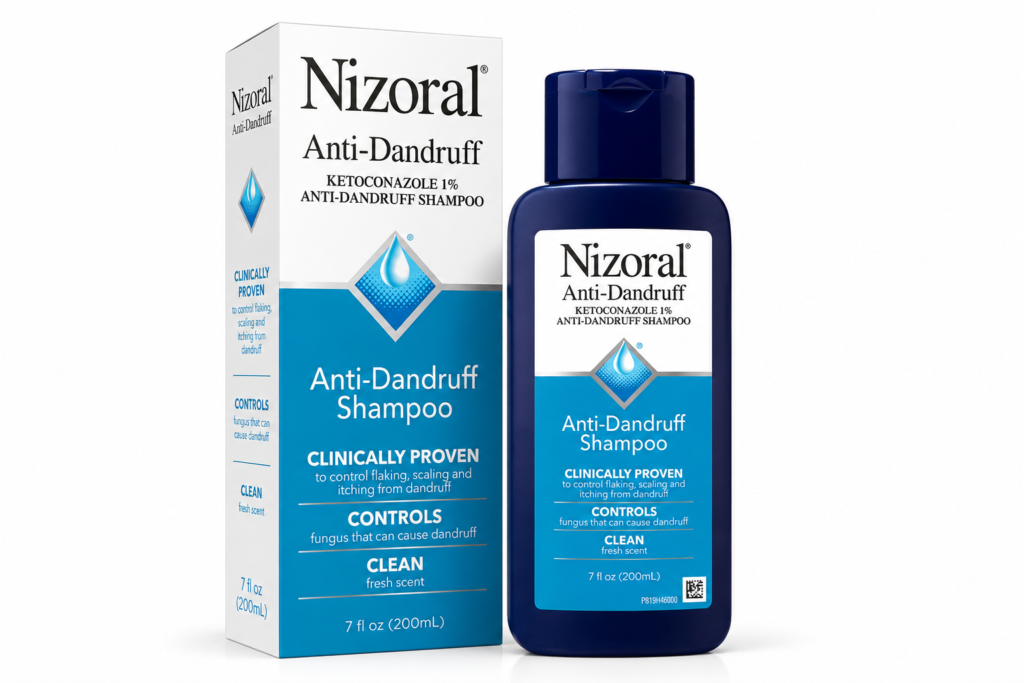
If feels persistently itchy and ordinary shampoos leave you reaching for your shoulders in frustration, this targeted formula is designed for you. It helps address recurrent flaking and suspected seborrheic dermatitis with clinical backing. Follow the package directions and stop use if significant irritation occurs.
2)Selsun Blue Medicated Antidandruff Shampoo
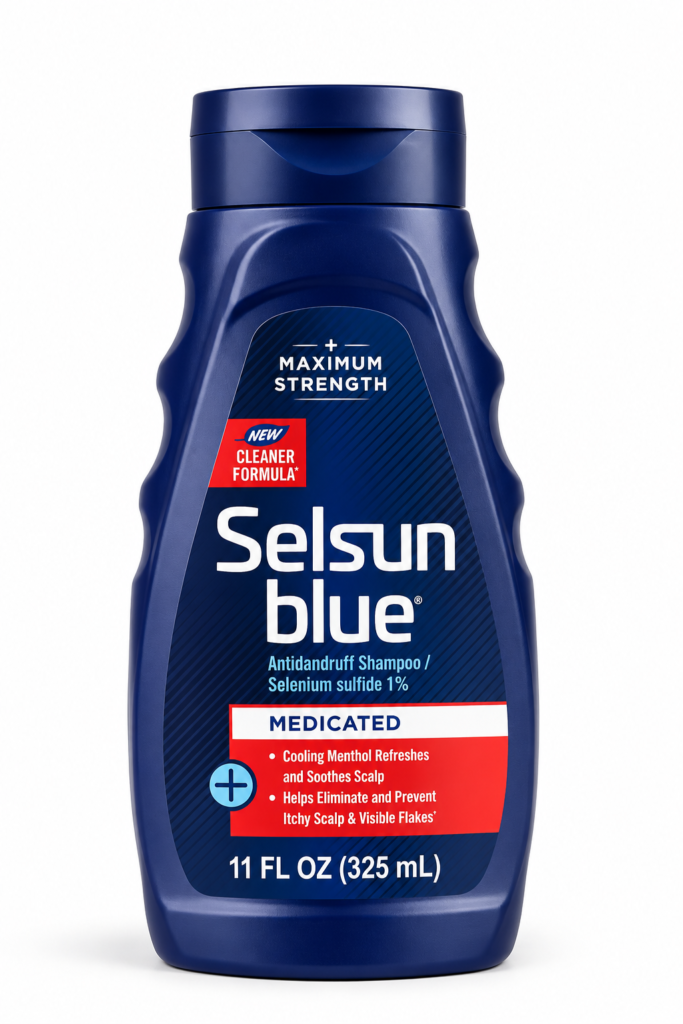
If you are dealing with stubborn flakes and persistent itching that standard washes cannot touch, this option provides active relief. Rinse thoroughly and follow label directions, keeping in mind that medicated formulas may not suit every hair type.
3)Neutrogena T/Sal Therapeutic Shampoo
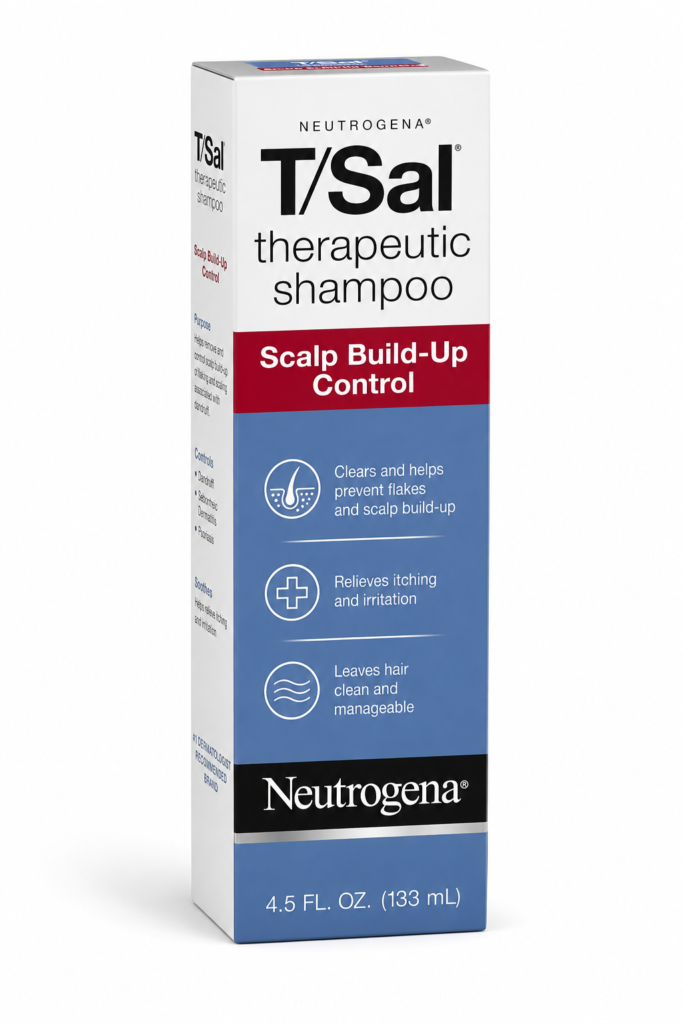
If thick scale or stubborn buildup makes your scalp feel heavy and uneven, this formulation helps gently clear away excess accumulation. It can be drying if overused, so apply it cautiously and avoid aggressive scrubbing.
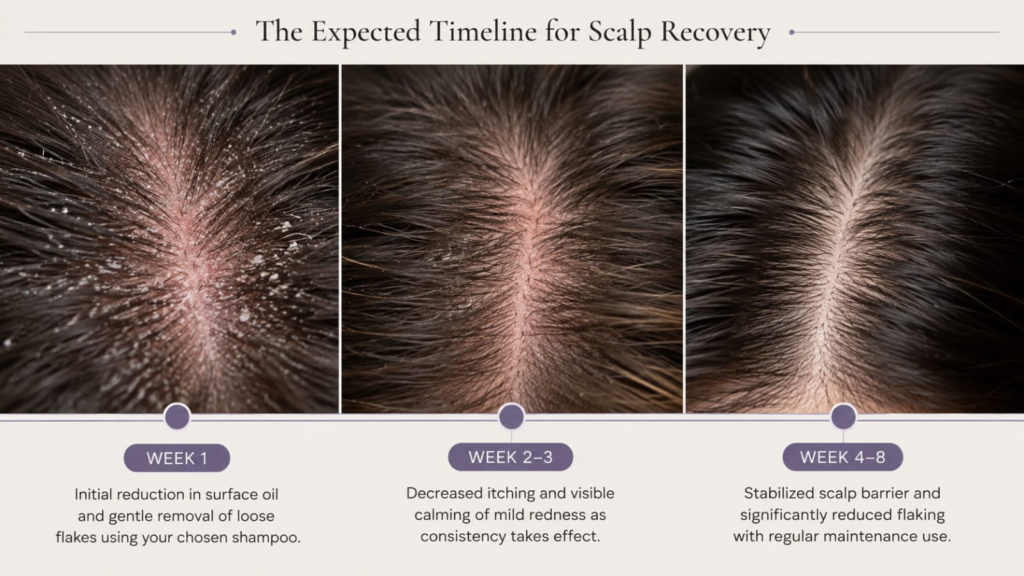
The Expected Timeline for Scalp Recovery
Healing a sensitive or flaking scalp takes patience as the skin barrier repairs itself.
| Timeframe | What to Expect |
| Week 1 | Initial reduction in surface oil and gentle removal of loose flakes using your chosen shampoo. |
| Week 2–3 | Decreased itching and visible calming of mild redness as consistency takes effect. |
| Week 4–8 | Stabilized scalp barrier and significantly reduced flaking with regular maintenance use. |
What it will not become is an overnight fix where all scalp sensitivity vanishes permanently. What it will become is a manageable, predictable routine that keeps flaking under control.
Save This Routine: Gentle Cleanser → Appropriate Anti-Dandruff Shampoo → Light Hydration → Regular Maintenance Wash
Frequently Asked Questions
Why is my scalp flaking more now than it did in my 30s?
Changes in skin-barrier function, natural oil production, and shifting sensitivity to hair products often make flaking more noticeable during midlife. Conditions like seborrheic dermatitis also become more common in older adults.
Should I wash my hair less often if my scalp is dry?
Not necessarily. If flaking is caused by dandruff or seborrheic dermatitis, washing often enough to remove oil and product buildup is essential . Use a gentle cleanser or a proper anti-dandruff formula rather than skipping washes entirely.
How long should I leave an anti-dandruff shampoo on my scalp?
You should follow the specific product label instructions, which typically recommend leaving the medicated shampoo on the scalp for a few minutes so the active ingredients can work before rinsing.
Can I use my regular conditioner with a medicated shampoo?
Yes, but it is best to apply conditioner primarily to the mid-lengths and ends of your hair rather than massaging heavy formulas directly into an already irritated scalp.
Action Plan for Tonight
Tonight, take a calm and measured approach to your routine. Wash your hair using lukewarm water and the pads of your fingertips rather than your fingernails to avoid scratching the delicate skin. If you are introducing a medicated shampoo, follow the label directions carefully and alternate with a gentle, non-medicated wash if your scalp feels particularly delicate. Monitor how your skin responds over the next few weeks, and consult a dermatologist if symptoms do not improve.
Explore More Articles on Scalp Health :-