
Missing Lipids: Finding the Right Dry Skin Perimenopause Treatment
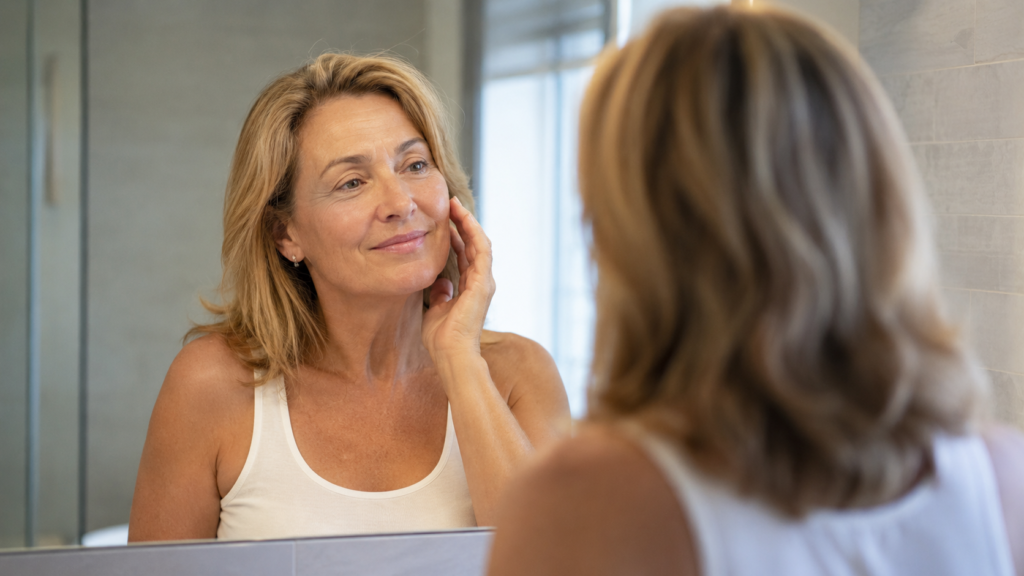
You apply your heaviest moisturizer before bed, yet you still wake up with a face that feels two sizes too small. This sudden, frustrating tightness happens because deep hormonal shifts alter your skin chemistry, making a targeted dry skin perimenopause treatment an absolute necessity rather than an optional luxury. When your protective outer layer is depleted, traditional lotions simply evaporate into thin air.
The short answer: Perimenopause triggers a rapid decline in estrogen and natural lipids like ceramides, causing severe skin barrier depletion and moisture loss. To resolve this, switch from generic hydration to a lipid-replenishing routine rich in ceramides, fatty acids, and cholesterol to rebuild the barrier and seal in moisture.
It usually starts with a strange sensation of sandpaper texture along your cheeks, or a sudden flushing that leaves your skin stinging from products you used to love. You buy a thicker cream, then a face oil, but nothing seems to sink in. Your face feels uncomfortably dry and greasy at the same time. It is incredibly common to assume you are doing something wrong, or that your favorite skincare brands suddenly changed their formulas. But your skin is not failing, and neither are you. Your body is undergoing a deep structural shift that alters how your skin retains moisture, and your decades-old routine simply cannot keep up with your current biological needs.
The Real Science of Dry Skin Perimenopause Treatment
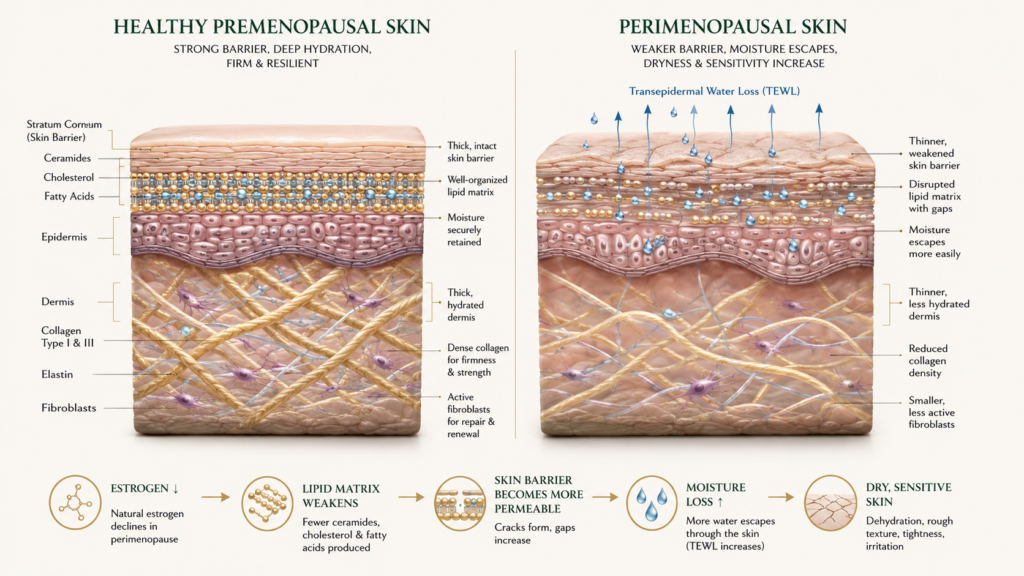
During midlife, your ovaries gradually decrease their production of estrogen. According to The Menopause Society, this shift adversely affects key physiological functions, leading to noticeable skin changes such as structural atrophy, deep wrinkles, reduced hydration, and poor wound healing. Without the stabilizing influence of estrogen, the skin loses its foundational support systems.
What is the skin barrier? Your skin barrier is the outermost layer of your skin, composed of cells bound together by a matrix of lipids. It acts as a protective shield that keeps moisture locked inside while keeping environmental irritants out.
Meanwhile, the structural proteins that give your face its bounce drop off sharply. Data from the American Academy of Dermatology reveals that women’s skin loses roughly 30% of its collagen during the first five years of menopause. Following this initial drop, the decline continues at a rate of about 2% every year for the next two decades, directly reducing the skin’s capacity to hold water.
Understanding Lipid Losses
At the same time, your natural lipid production plummets. The Cleveland Clinic explains that ceramides make up about 50% of your skin’s outer layer, providing the essential moisture needed to replenish your skin barrier. As you navigate midlife, these natural ceramide levels decline significantly, which directly triggers severe dryness, persistent irritation, and a highly vulnerable, weakened barrier.
| Biological Shift | Impact on Skin | What It Feels Like |
| Estrogen Decline | Poor wound healing and atrophy | Increased skin thinning and sensitivity |
| 30% Collagen Loss | Reduced ability to hold water | Loss of firmness and deep dehydration |
| Ceramide Depletion | Weakened outer protective barrier | Persistent tightness, redness, and stinging |
Why Your Current Skincare Routine Is Failing
When your skin barrier is depleted, many common skincare habits actually make the problem worse. Here is the real reason your go-to products are suddenly failing you:
- Harsh foaming cleansers strip away the few remaining natural lipids left on your skin surface, leaving the barrier completely exposed.
- Applying heavy oils without an underlying water source creates a greasy film over completely dehydrated cells, trapping dryness underneath.
- Over-exfoliating with strong acids to get rid of rough texture tears open an already compromised epidermal shield.
- Using products packed with synthetic fragrance triggers intense burning because irritants pass right through the weakened barrier defenses. This post contains affiliate links; if you buy through them, GlowAfter40 may earn a small commission at no extra cost to you.
Rebuilding the Barrier: What Actually Works
To restore your skin comfort, you need to transition to a strategy focused on lipid replenishment and structured hydration layers.
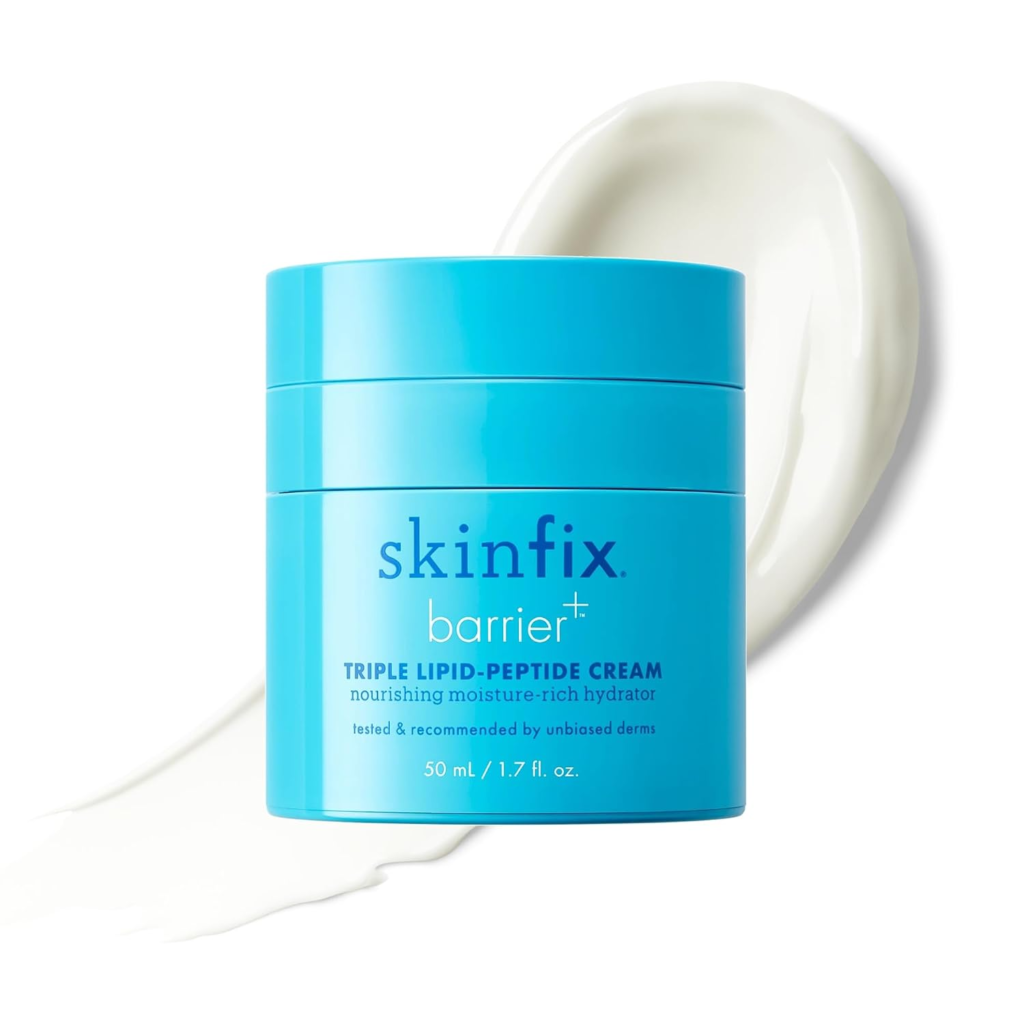
1.Skinfix Triple Lipid-Peptide Cream
If your skin stings the second you apply anything, this rich cream provides immediate comfort by mimicking your skin’s natural lipid structure. It delivers a heavy dose of peptides and hyaluronic acid to soothe sudden midlife dryness. This fits best for women with severely depleted barriers, though its ultra-thick texture may feel too heavy if you have an oily or combination t-zone.
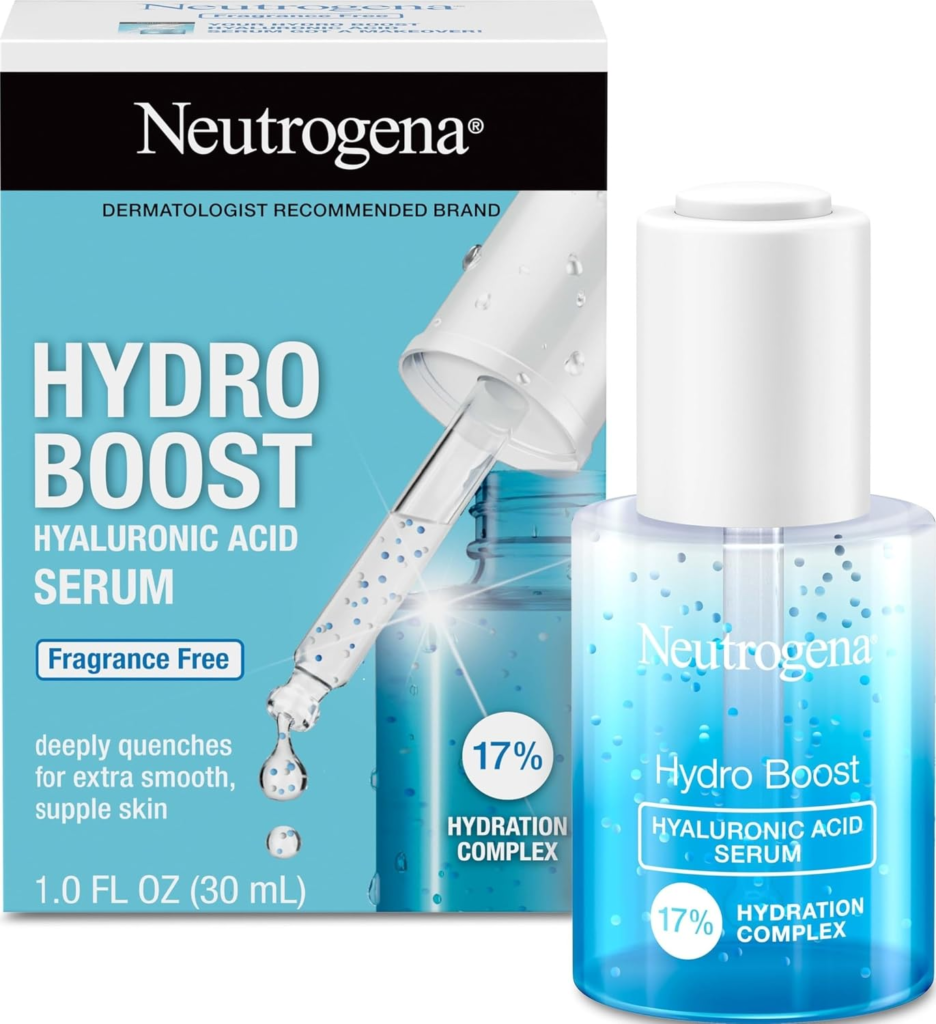
2.Neutrogena Hydro Boost Hyaluronic Acid Serum
If your face feels parched no matter how much lotion you use, adding this lightweight formula under your cream creates a vital moisture reservoir. It uses purified hyaluronic acid and glycerin to plump parched skin cells. This fits best for women who need deep hydration layers, but you must apply it to damp skin and follow it with an occlusive cream to prevent it from drawing moisture outward.
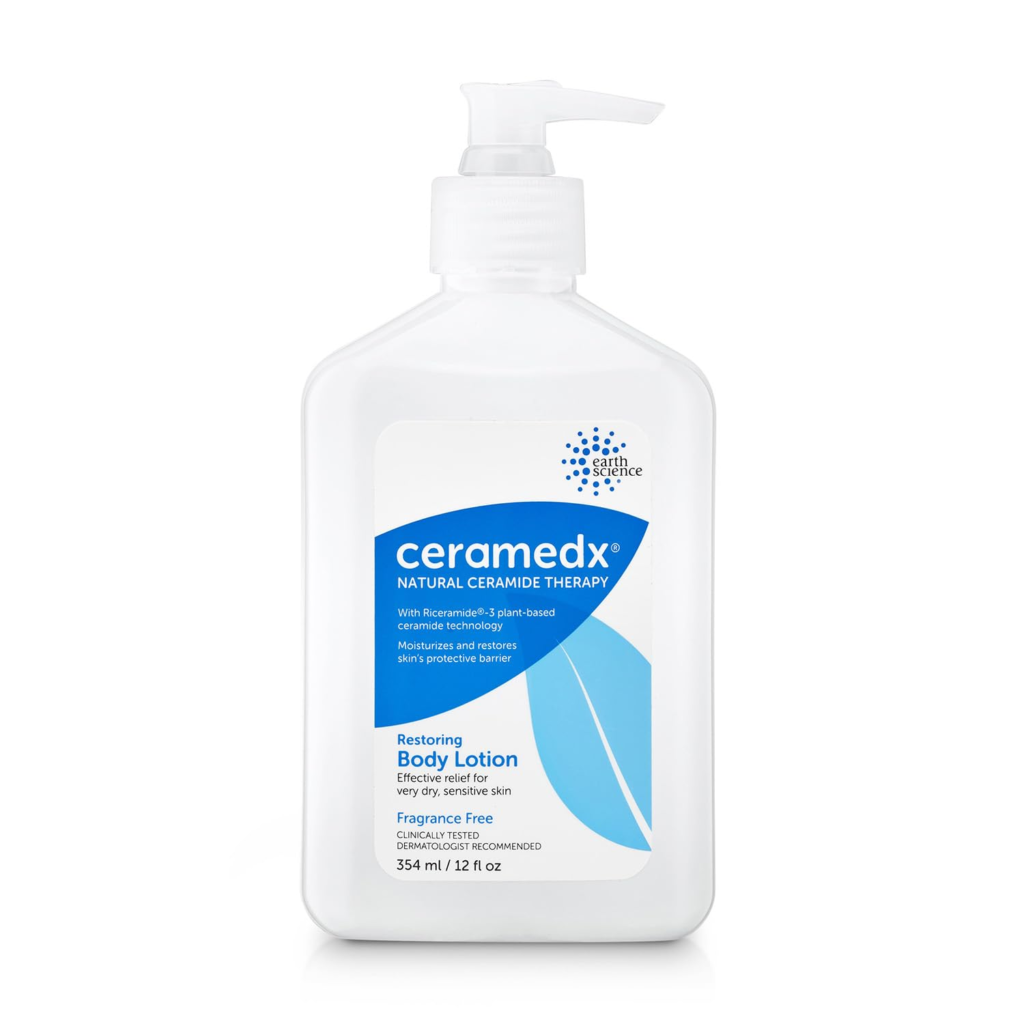
3.Ceramedx Restoring Body Lotion
If you are looking for an affordable, non-irritating formula that works beautifully on both face and body, this plant-derived blend is an excellent choice. It utilizes a special plant-based ceramide and cholesterol complex to repair compromised skin. This fits best for budget-conscious buyers wanting a high-purity vegan option, though the pump mechanism can become frustratingly finicky when the bottle gets near empty.
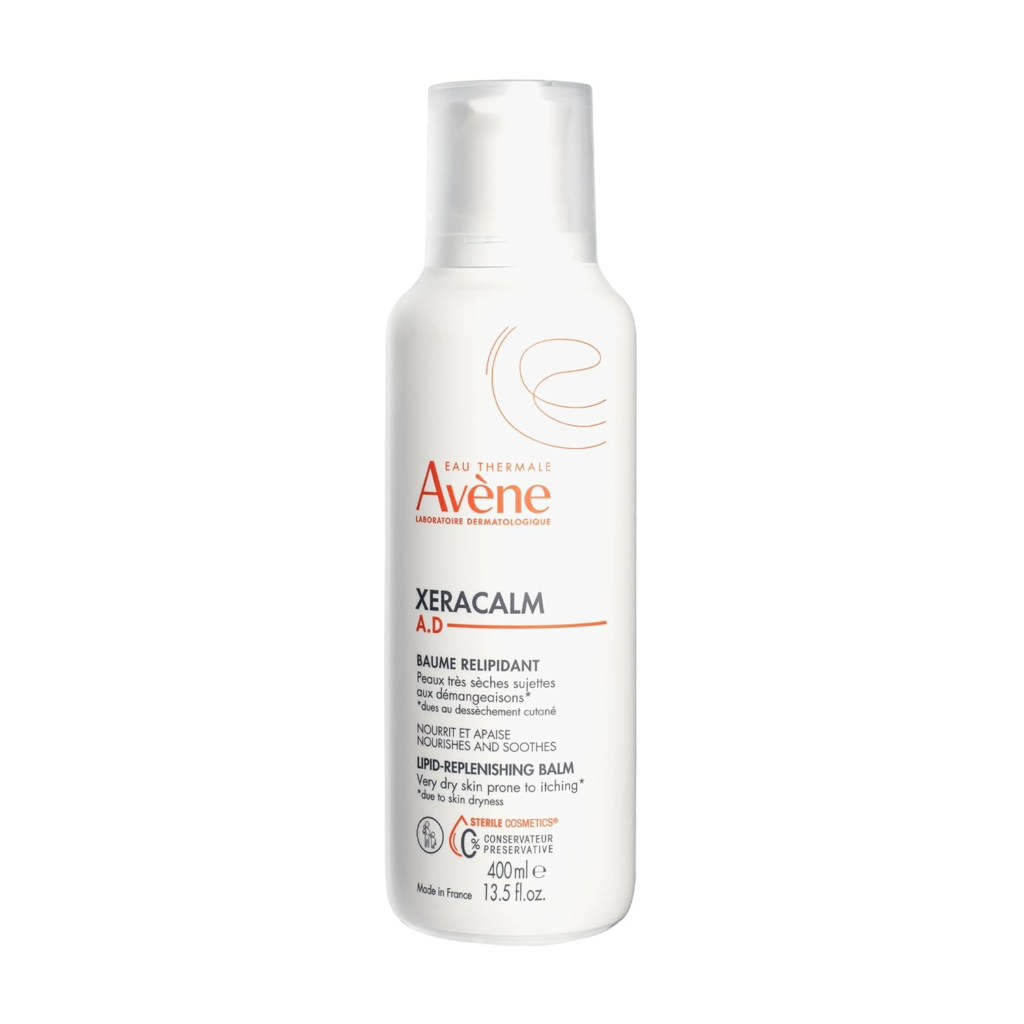
4.Avène XeraCalm A.D Lipid-Replenishing Balm If you are dealing with angry, itchy patches that flush red at the slightest provocation, this specialized sterile balm shuts down the irritation instantly. It combines thermal spring water with barrier-building lipids to calm extreme sensitivity. This fits best for highly reactive skin types, but the specialized airtight packaging can make it physically difficult to squeeze out the final drops.
Your Realistic Barrier Repair Timeline
Rebuilding a compromised barrier takes patience because cellular turnover naturally slows down during midlife. Expect your progress to follow a steady, encouraging sequence.
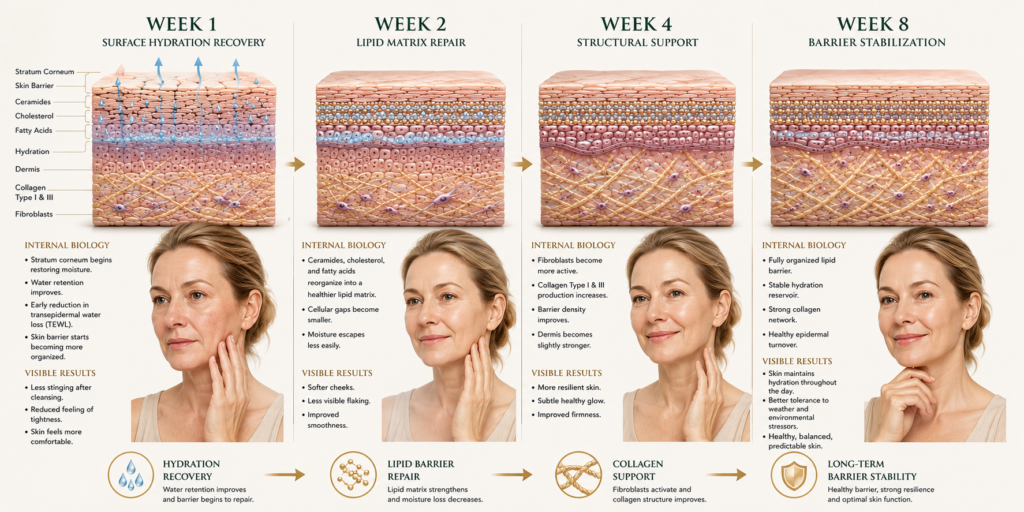
| Stage | What is Happening Inside | What You See Outside |
| Week 1 | Surface hydration begins to stabilize | Reduced stinging and less immediate tightness after washing |
| Week 2 | Lipid matrix starts filling cellular gaps | A softer texture and less visible flaking on the cheeks |
| Week 4 | Collagen support and barrier density improve | Increased resilience and a subtle, healthy glow |
| Week 8 | Optimal moisture retention is established | Skin behaves predictably and handles daily environmental stressors |
Here is the honest reality: your skin will not become identical to how it felt in your twenties. What it will become is deeply comfortable, resilient, radiant, and thoroughly hydrated in its current chapter.
Common Questions About Midlife Barrier Depletion
Why does my face feel tight right after moisturizing?
When your barrier is depleted, your skin suffers from rapid transepidermal water loss. If your moisturizer only contains water-binding humectants without protective lipids, the moisture escapes into the dry air almost immediately, leaving your skin feeling tight again.
What is transepidermal water loss and why does it get worse after 50?
Trransepidermal water loss is the process where moisture evaporates through the epidermis into the atmosphere. It accelerates sharply after 50 because the drop in estrogen and natural ceramides leaves microscopic gaps in your skin shield, letting water escape unchecked.
Can ceramide cream replace my regular moisturizer?
Yes, a ceramide-dominant cream should replace your standard lotion if you are experiencing severe midlife dryness. It does the double duty of supplying essential hydration while providing the structural lipids necessary to seal that moisture into place.
One Simple Step to Take Tonight
The journey back to comfortable skin does not require a complicated ten-step routine. Tonight, skip any aggressive treatment products, wash your face with tepid water and a soap-free cleanser, and apply your lipid cream while your skin is still damp.
Giving your skin a chance to rest and rebuild is the most effective way to restore your natural glow. Focus on protection rather than perfection, and let your barrier heal at its own pace.