
Why Blinding Christmas Lights Trigger Hot Flashes (And How to Switch to Mood Calming Lighting)
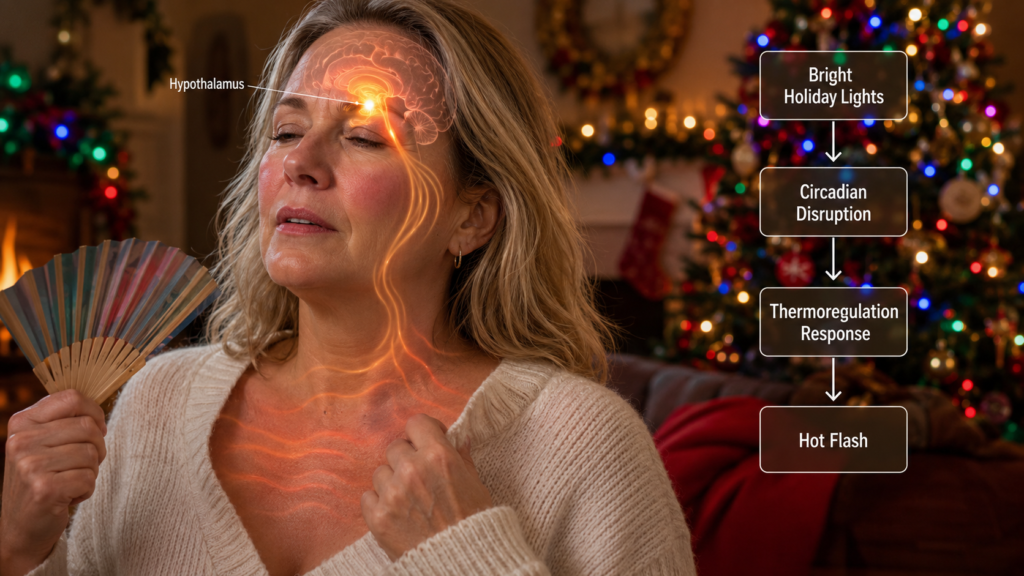
The holiday season is often a magical yet exhausting time for women navigating perimenopause and menopause. While festive decorations bring joy, certain environmental factors can unexpectedly worsen physical symptoms and act as sudden menopause hot flash triggers. Understanding how your physical surroundings impact your body clock is the first step toward reclaiming your evenings.
The short answer: Bright, cool-toned, or rapidly flashing holiday lights act as environmental stressors that suppress melatonin production, elevate cortisol, and raise core body temperature. This dual assault destabilizes the hypersensitive hypothalamus, triggering intense evening hot flashes and anxiety just as you attempt to wind down for sleep.
Picture this: You have finally finished a hectic December day of shopping, wrapping, and hosting. You turn down the main house lights and sit in the living room, hoping to unwind under the glow of the Christmas tree. But within minutes, a familiar, suffocating wave of heat surges from your chest to your face, leaving you drenched and anxious before you even crawl into bed.
It is an incredibly frustrating loop. You want a beautifully glowing, festive living room, but the very decorations meant to bring cheer are leaving you sweating through your sheets by midnight. You might even wonder if you are losing your mind or if your body is simply broken.
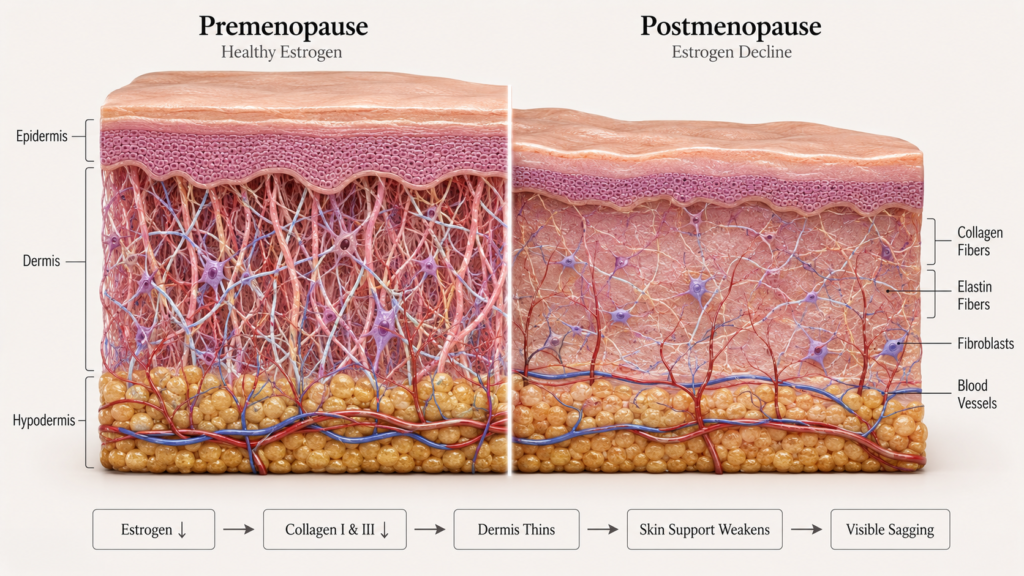
Please know you are not imagining this, and you have done nothing wrong. Your body is going through profound hormonal shifts that completely rewrite how you interact with your environment. The intense reaction to harsh holiday displays is a verified physiological response, not a failure of willpower or a sign that you cannot handle the holidays.
The Hypothalamus and Menopause Hot Flash Triggers
To understand why festive displays cause such intense physical distress, we have to look closely at the central nervous system. Fluctuating estrogen levels directly impact the part of the brain responsible for acting as the body’s internal thermostat.
What is the thermoneutral zone? It is the narrow range of core body temperatures where the human body maintains perfect homeostasis without needing to sweat or shiver. During menopause, declining estrogen makes this zone incredibly narrow and hyper-reactive.
When you expose yourself to bright, flashing blue-spectrum LED lights late into the evening, it delivers a direct assault to this sensitive system. First, nighttime exposure to bright light suppresses melatonin production and disrupts your circadian rhythm. In fact, research highlights how individual differences in light sensitivity heavily dictate sleep architecture and body clock disruptions. Furthermore, clinical insights from the Mayo Clinic confirm that slight shifts in core temperature quickly breach the narrowed thermoneutral threshold.
The sensory overload from rapidly changing colors also spikes your cortisol levels, widening peripheral blood vessels and triggering a massive surge of heat. Data reveals that up to 60% of midlife women experience heightened light sensitivity, proving that environmental glare is a major culprit. Even clinical experts note that common visual stimuli, like bright bathroom bulbs or intense holiday strands, add severe heat to your system.
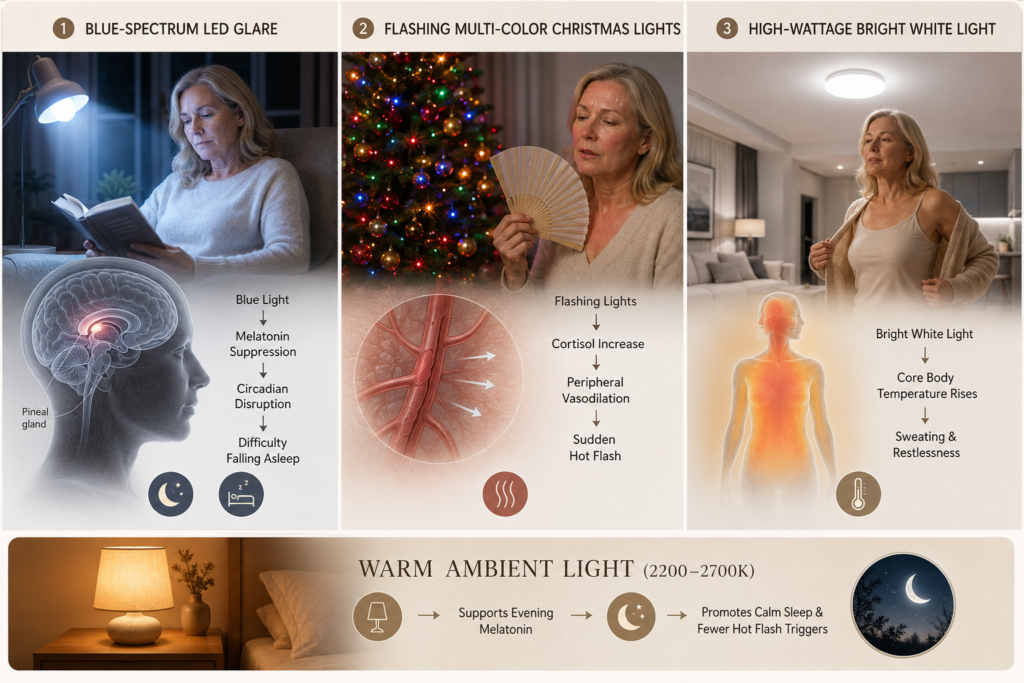
| Environmental Light Factor | Physiological Impact on Midlife Body | Resulting Symptom |
| Blue-spectrum LED glare | Suppresses evening melatonin production | Circadian disruption & wakefulness |
| Flashing multi-color sequences | Spikes cortisol & causes peripheral vasodilation | Sudden, intense hot flashes |
| High-wattage stark white light | Elevates core body temperature | Excessive sweating & anxiety |
What Doesn’t Work: Traditional Festive Lighting Pitfalls
When trying to manage holiday flare-ups, standard seasonal decorations often work against your body’s recovery systems. Many common setups actively prolong your physical discomfort.
- Standard cool-white LED strands: These lights emit a heavy concentration of blue-spectrum light that signals your brain to stay alert, directly raising core body temperature when you need to cool down.
- Rapidly blinking multi-color bulbs: The constant visual flickering creates sensory overload, which elevates stress hormones and widens blood vessels.
- Unregulated high-brightness displays: Keeping strings at 100% capacity late into the evening continuously suppresses melatonin, ruining your sleep architecture long before bedtime.
- Open flame candles for ambiance: While visually classic, real candles generate ambient heat and present safety hazards that can increase underlying evening anxiety. Affiliate Disclosure: As an Amazon Associate, GlowAfter40 earns from qualifying purchases made through links in this post.
What Works: Cultivating Calming Holiday Lighting To transform your living space into a festive sanctuary that honors your health, you must change your approach to holiday decor. The goal is to eliminate flashing sequences, minimize blue light emission, and ensure all light sources are fully dimmable. Women across the country are moving away from harsh glare and embracing sophisticated, warm-toned, calming holiday lighting solutions that respect their physiological needs.
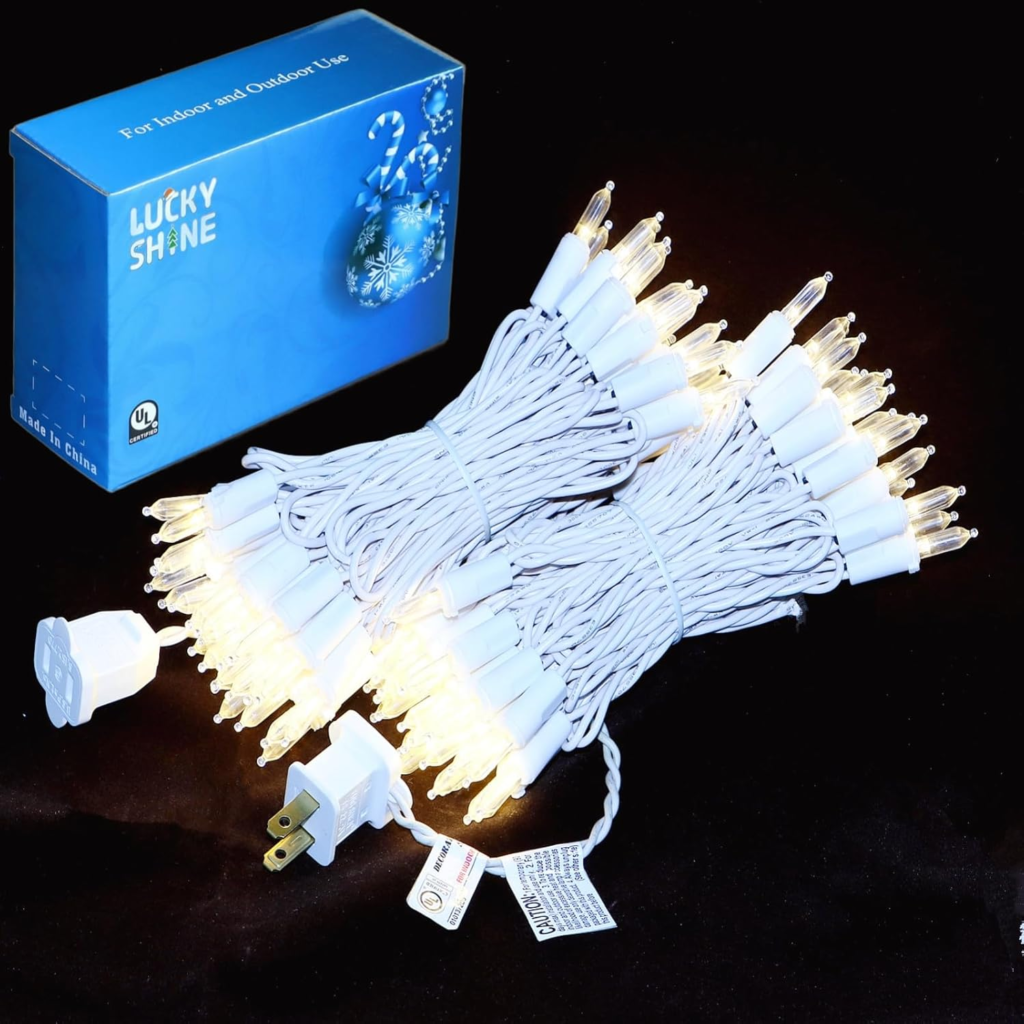
1.LUCKY SHINE 100 LED Warm White Christmas Lights
If your current tree lights make your living room feel like a stark medical clinic, this continuous string is the perfect replacement. These commercial-grade, UL-certified lights provide a steady, soothing glow that perfectly mimics the warm 2200K to 2700K range of traditional incandescent bulbs. They offer high quality and exceptional safety for both indoor trees and mantles. However, keep in mind that these are standard 110V plug-in strands and require an external dimmer to adjust brightness levels.
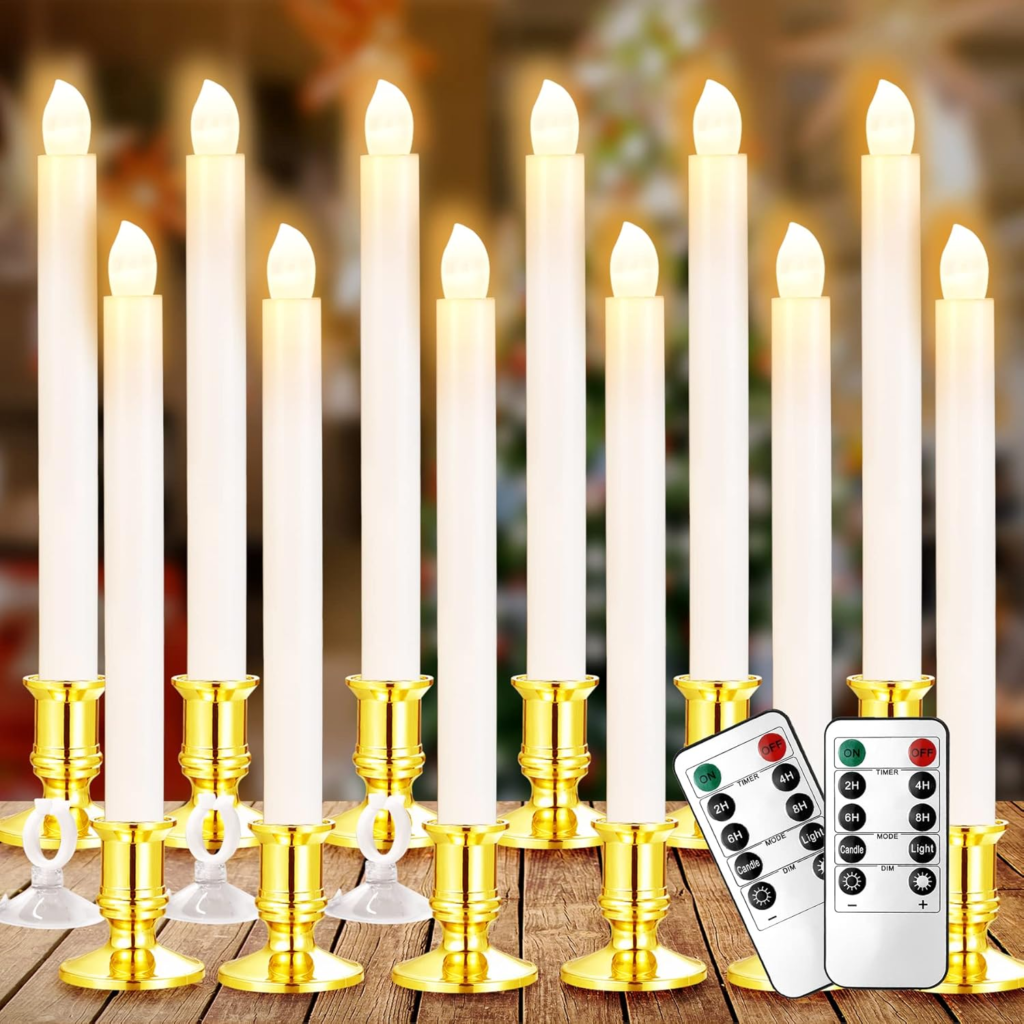
2.Qmioti 12 Pack Christmas Window Candles
If you love the classic look of window flames but want to avoid the ambient heat and fire hazards that trigger sudden sweating, these cordless alternatives are an excellent choice. They feature a vital static, non-flickering mode that provides a beautifully calming, non-stimulating golden glow. The included remote control features an automatic shutoff timer, ensuring your home transitions to darkness before your head hits the pillow. Just note that batteries are not included, and the plastic base construction feels slightly lighter than real wax variants.
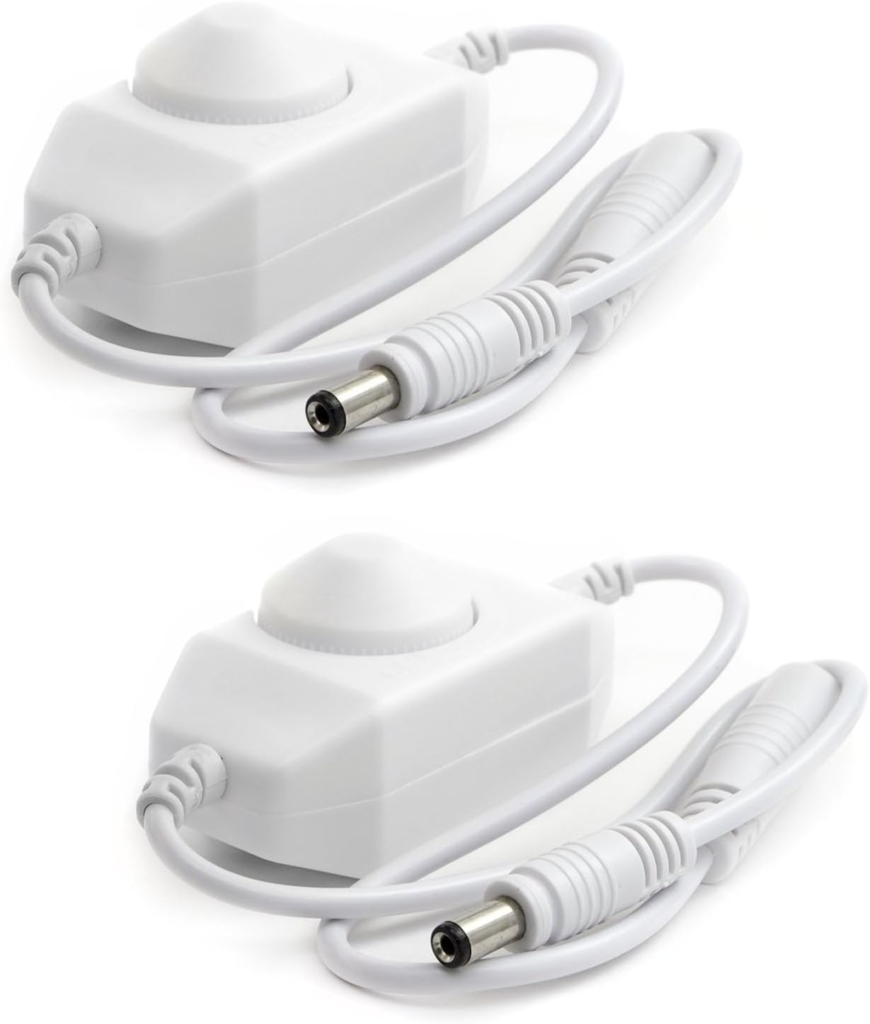
3.TronicsPros DC 12V-24V 3A LED Strip Dimmer Switch
If you already own low-voltage holiday decorations but hate how blindingly bright they remain at night, this compact controller restores total command over your space. Utilizing Pulse Width Modulation (PWM) technology, it allows for seamless, stepless adjustment from 0% to 100% without introducing visually jarring micro-flickers. It keeps your low-voltage strings perfectly steady even at their lowest, coziest settings. Please verify your gear beforehand, as this is strictly compatible with low-voltage DC barrel jacks and cannot support standard 110V household plugs.
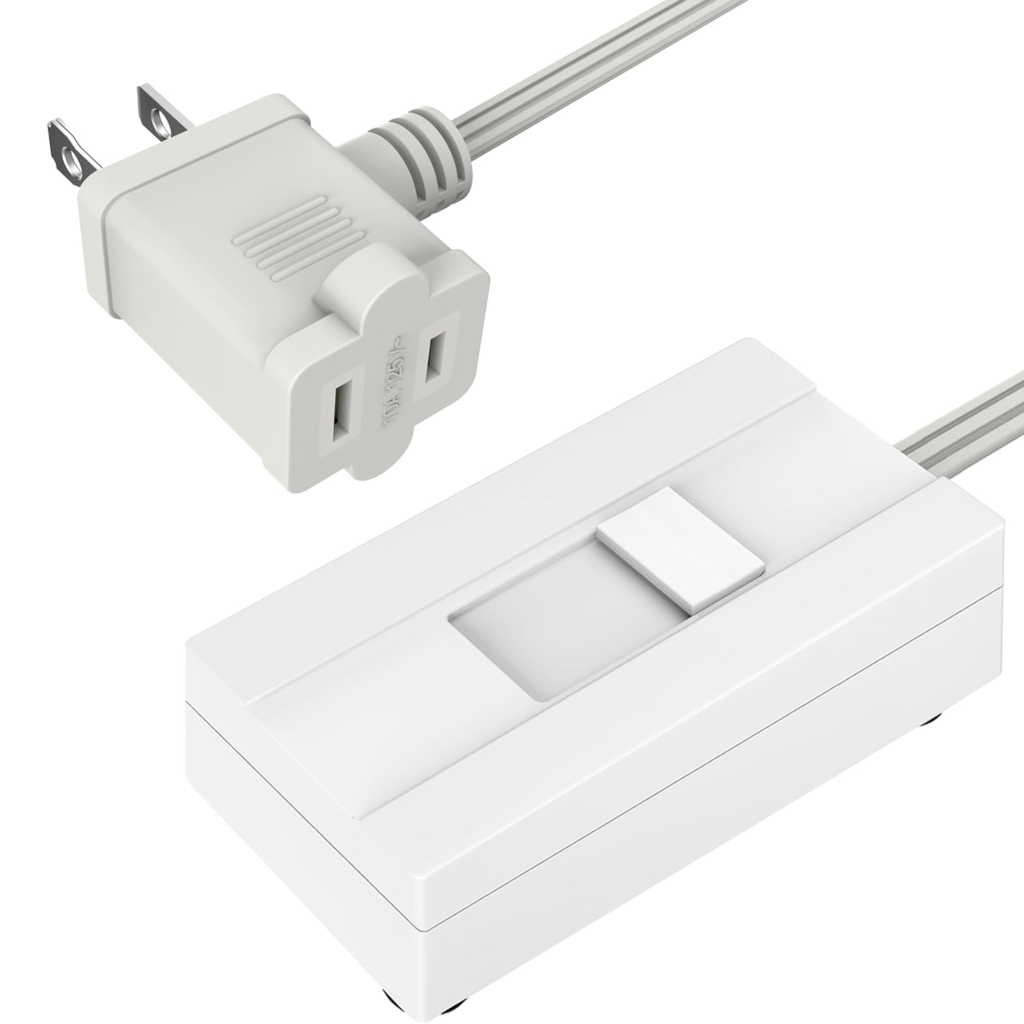
TOPGREENER Table-Top Plug in Dimmer for Table or Floor Lamps
If you want the power to dim your standard Christmas tree or mantle displays directly from your favorite couch cushion, this tabletop slider provides instant relief. It features a smooth, quiet slide control that easily drops standard holiday light outputs anywhere from 100% down to a faint 10%. This Amazon’s Choice device includes a generous 6-foot cord for convenient placement on end tables or nightstands. Be aware that it is strictly designed for dimmable bulbs and cannot be paired with motorized electronics or specialized transformers.
Your Guide to a Calming Holiday Environment
Restoring your home’s environmental balance does not mean abandoning your favorite festive traditions. By intentionally structuring your evening lighting, you can protect your sleep architecture and minimize nighttime heat surges.
| Phase of Evening | Lighting Adjustment | Impact on Your Body Clock |
| Early Evening (5 PM – 7 PM) | Switch on warm white static lights at full brightness | Enjoys festive spirit without blue-light exposure |
| Late Evening (7 PM – 9 PM) | Dim tree and mantle strings to 30% capacity | Signals the brain to initiate natural melatonin production |
| Wind-Down (9 PM – 10 PM) | Transition solely to static window candles and low lamps | Drops core body temperature and eases evening anxiety |
| Bedtime (10 PM Onward) | Utilize automatic timers for complete darkness | Secures deep, uninterrupted sleep without midnight sweats |
Frequently Asked Questions About Menopause Hot Flash Triggers
Why do bright lights suddenly make me feel anxious and hot in the evening? Bright and flashing lights act as external sensory stressors, which cause a rapid surge in cortisol production. This hormonal spike triggers peripheral vasodilation, widening your blood vessels and forcing an immediate wave of intense heat and anxiety across your upper body.
Can changing my lightbulbs really reduce the intensity of my night sweats? Yes, adjusting your lighting environment directly influences your internal thermostat. Removing cool blue tones and dimming your surroundings late in the evening prevents melatonin suppression and helps maintain your body’s narrow thermoneutral zone before rest.
What color temperature is safest for perimenopausal light sensitivity? To keep your nervous system calm and relaxed, look for warm-toned bulbs that fall strictly within the 2200K to 2700K range. This matches the soft, amber profile of traditional incandescent lighting, avoiding the harsh blue-spectrum spikes found in standard commercial LEDs.
One Small Step You Can Take Tonight
Managing your symptoms through midlife requires a deliberate, compassionate approach to your personal environment. You do not have to overhaul your entire holiday collection tomorrow morning to feel a profound difference in your comfort levels.
Tonight, perform a simple lighting audit in your main living space. Walk over to your holiday displays and turn off any rapid blinking or chasing sequences, locking your strands into a steady, static mode. If your lights lack a static setting or feel overwhelmingly bright, unplug them completely at least one hour before heading upstairs to bed. Giving your hypothalamus a break from visual stimulation is a beautiful, easy way to protect your circadian rhythm, reduce evening sweating, and ensure your holidays remain genuinely restful.