
Best Barrier Repair Creams for Menopausal Skin: 2026 Reviews
Your skin barrier depends on a precise 3:1:1 ratio of ceramides, cholesterol, and fatty acids — and when estrogen drops during menopause, that ratio breaks down fast. Not every “barrier repair” cream on the shelf actually restores it. Here’s our clinical breakdown of the formulas that get the ratio right, and which ones fall short.

Did You Know? According to clinical research published in the Journal of Investigative Dermatology, topical application of Alpha-Linolenic Acid (Omega-3) accelerates the recovery of a damaged skin barrier following environmental or hormonal stress.
| Lipid Type | Role in Skin Barrier | Primary Source |
| Ceramides (NP, AP, EOP) | Locks cells together like mortar | Biomimetic synthetics, plant lipids |
| Cholesterol | Restores flexibility and lipid density | Plant sterols, lanolin derivatives |
| Fatty Acids (Omega-3/6) | Calms inflammation & rebuilds barrier | Chia seed, flaxseed, acai, rosehip |
What is Transepidermal Water Loss (TEWL)? TEWL is the passive movement of water from the deeper layers of your skin through the outer layer and into the atmosphere. When your lipid barrier is damaged, TEWL surges, leaving your skin constantly dehydrated regardless of how much water you drink.
What Skincare Labels Actually Mean
Not all moisturizers are equipped to repair a compromised lipid bilayer. Many standard creams rely almost entirely on occlusives like petrolatum to trap water on top of the skin rather than providing biomimetic ingredients that rebuild the barrier from within.
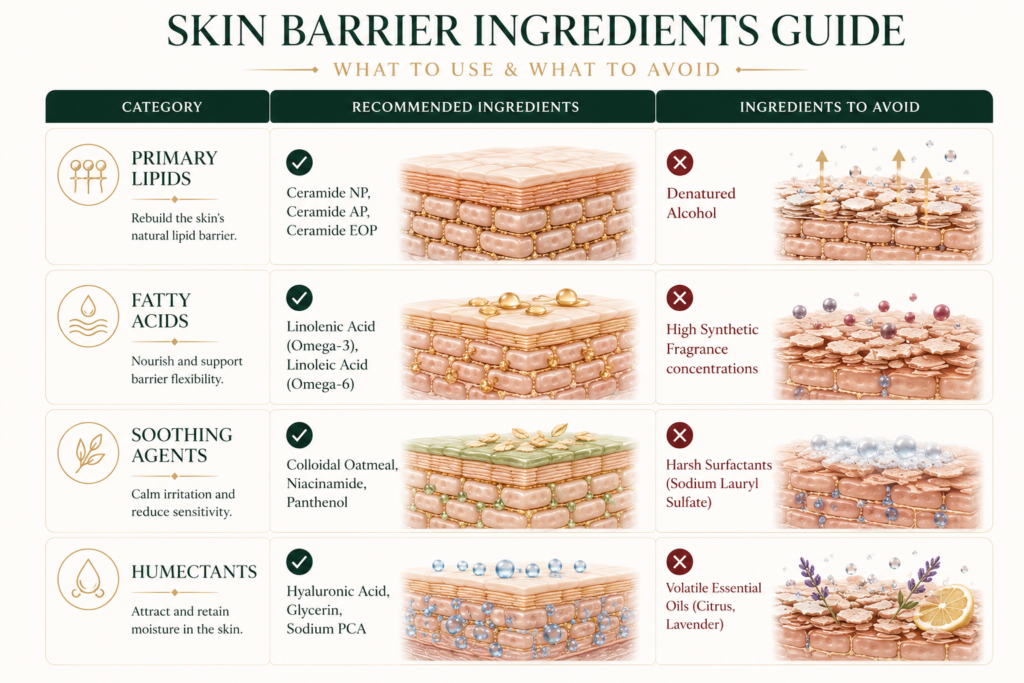
| Category | Recommended Ingredients | Ingredients to Avoid |
| Primary Lipids | Ceramide NP, Ceramide AP, Ceramide EOP | Denatured Alcohol (Alcohol Denat.) |
| Fatty Acids | Linolenic Acid (Omega-3), Linoleic Acid (Omega-6) | High Synthetic Fragrance concentrations |
| Soothing Agents | Colloidal Oatmeal, Niacinamide, Panthenol | Harsh Surfactants (Sodium Lauryl Sulfate) |
| Humectants | Hyaluronic Acid, Glycerin, Sodium PCA | Volatile Essential Oils (Citrus, Lavender) |
Retinol vs. Barrier Repair: The Honest Answer
When midlife skin begins showing texture and fine lines, the initial instinct is often to reach for strong exfoliants or high-potency retinoids. However, applying active retinoids onto a compromised, estrogen-depleted barrier frequently leads to burning, peeling, and increased redness.
| Feature | Active Retinoids | Omega-3 Barrier Creams |
| Primary Focus | Cell turnover & collagen synthesis | Lipid replenishment & moisture seal |
| Skin Reaction | Potential peeling, flaking, or stinging | Soothing, nourishing, non-stinging |
| Best Used | PM only; when barrier is healthy | AM & PM; essential for daily barrier support |
What Is Worth Buying: Top 10 Clinical Picks
1) rich emollient barrier cream
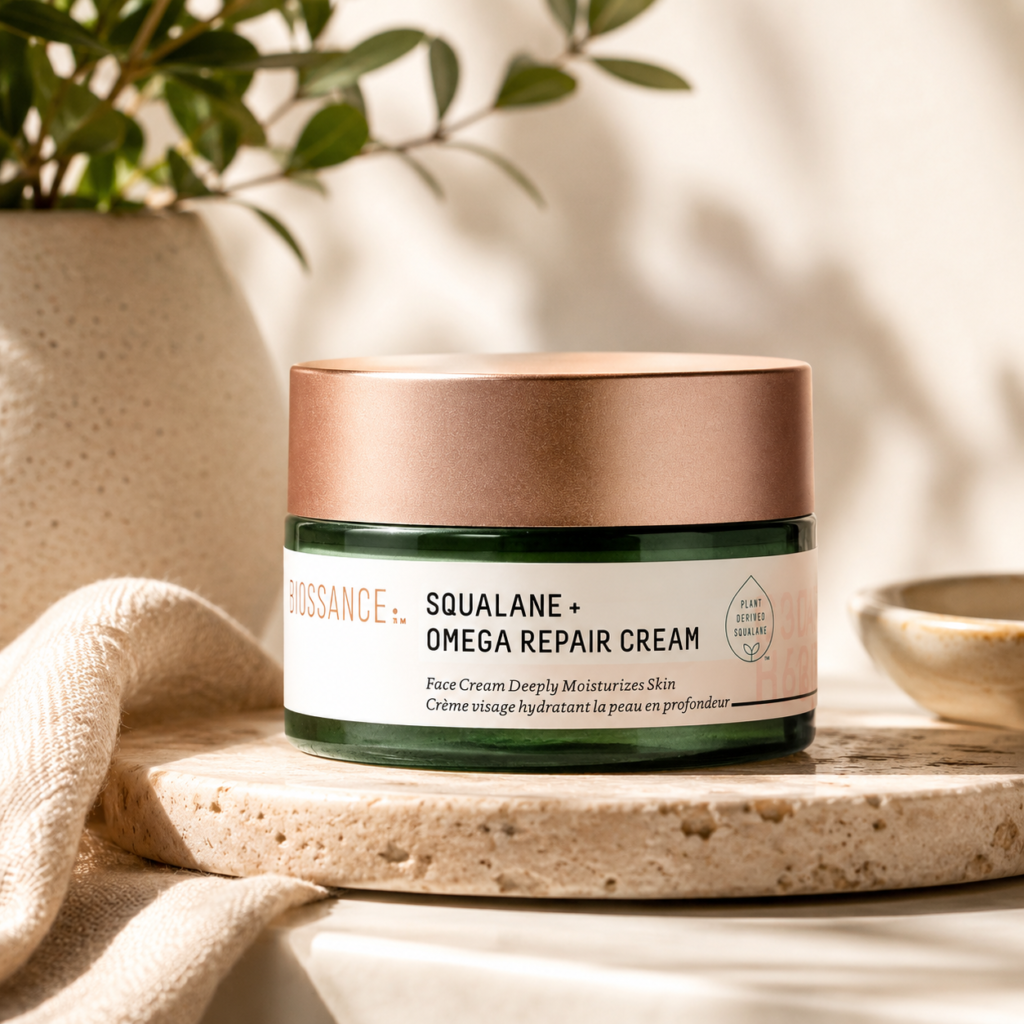
If your skin stings the second you apply standard lotions, this deeply nourishing formula delivers immediate comfort. It uses acai berry sterols and squalane to replenish missing lipids without leaving an overly greasy residue. Fits mature, estrogen-depleted skin that struggles to retain hydration, though it may feel a bit rich for daytime under heavy makeup.
2) lightweight oil-free gel-cream
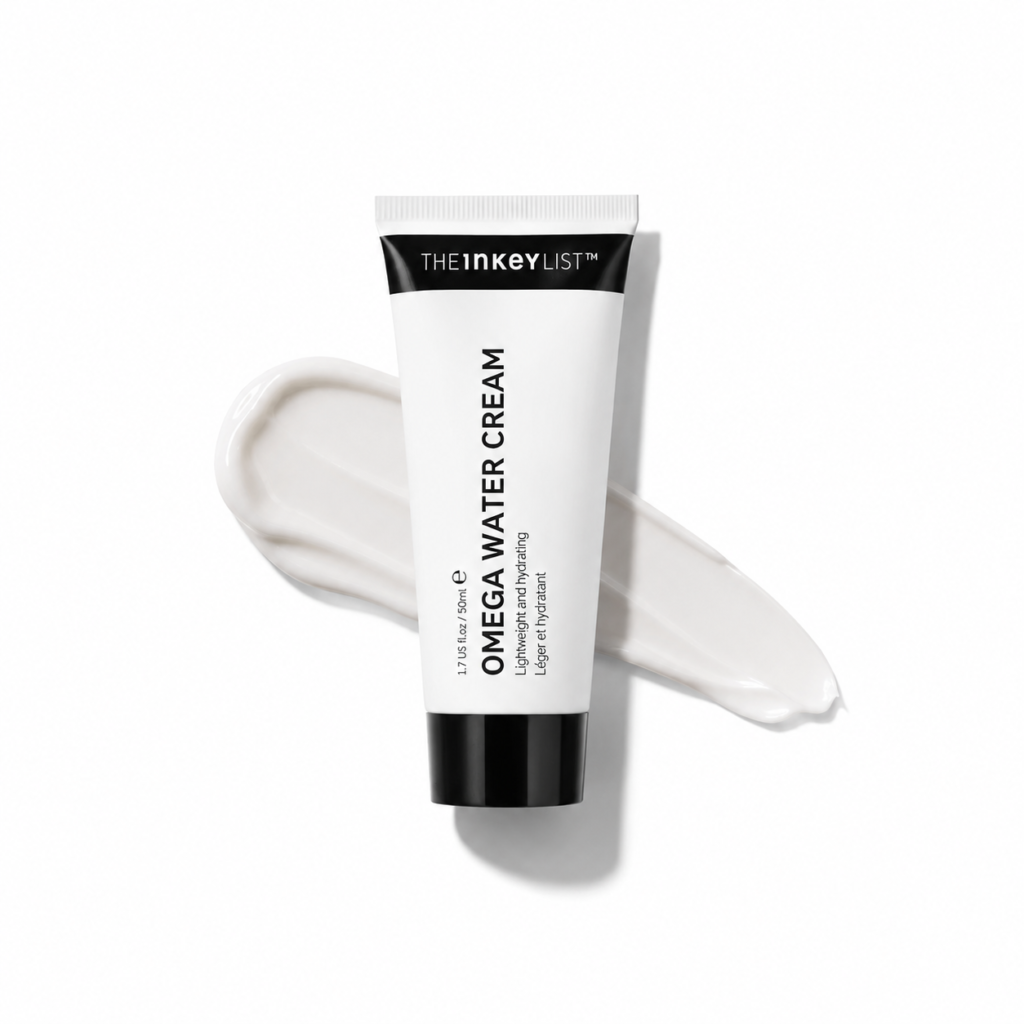
If heavy creams tend to give you clogged pores or hormonal breakout spots, this lightweight option gives you lipid support without the weight. It utilizes a water-based complex of 0.4% Omega fatty acids and niacinamide to keep hydration locked in. Fits combination or oily skin types needing structural support, but dry skin will require a heavier product on top.
3) whipped barrier repair cream
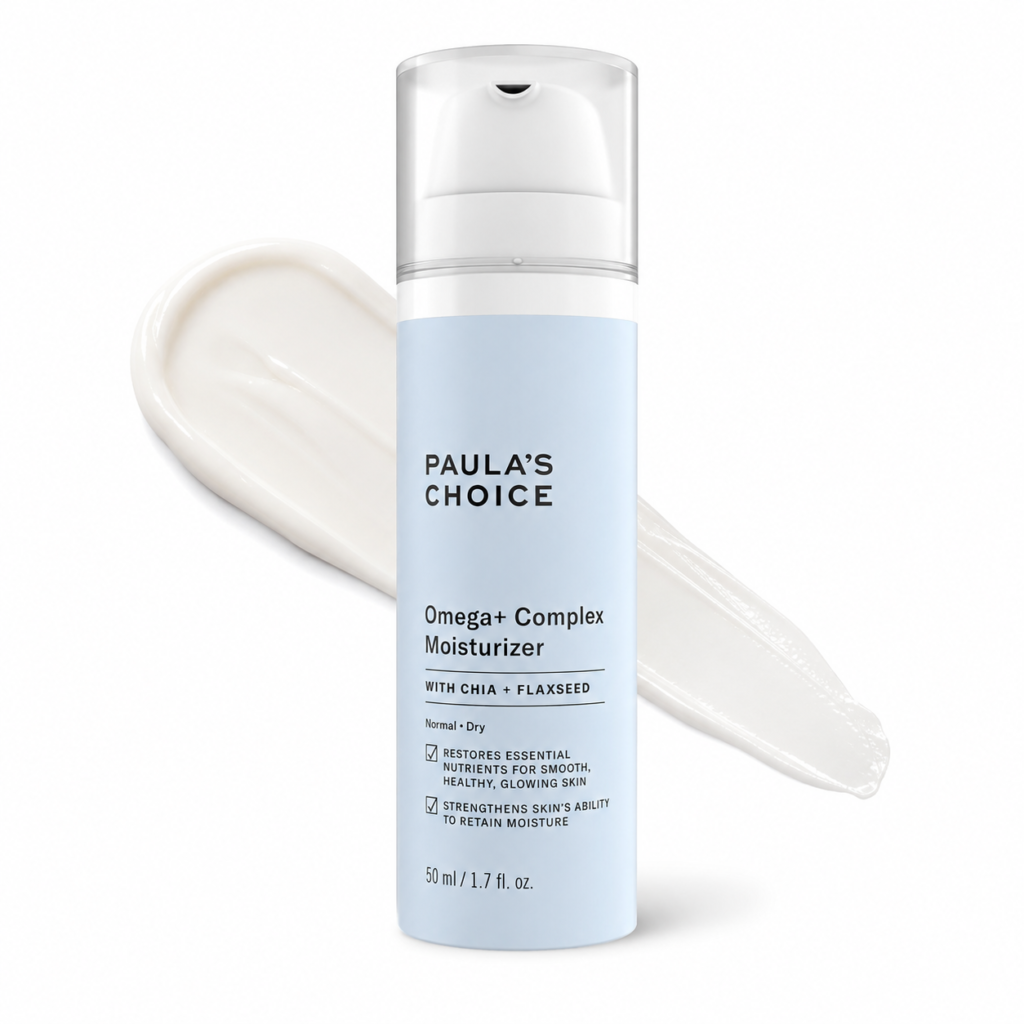
If your face feels perpetually dull and windburned, this cloud-like whipped cream brings back softness quickly. Sourced from chia and flaxseed oils, it blends Omega 3, 6, and 9 with antioxidants to calm visible irritation. Fits sensitive, stressed skin types over 40, though the airless pump bottle makes it tricky to see how much product remains.
What to Expect: Real Barrier Repair Timeline
Repairing a compromised stratum corneum takes deliberate consistency. Expect gradual, structural improvements rather than overnight magic.
| Timeline | What Is Happening Biologically | What You Will Notice |
| Week 1 | Surface lipid sheet begins replenishing. | Stinging decreases; immediate relief from surface tightness. |
| Week 2 | Cellular cohesion improves; TEWL drops. | Skin holds moisture longer throughout the afternoon. |
| Week 4 | Stratum corneum thickness and flexibility rebuild. | Reduced flushing, smoother texture, improved makeup application. |
| Week 8 | Full barrier optimization achieved. | Overall resilience improves; skin tolerates environmental stress. |
Frequently Asked Questions
Why does my face feel tight right after applying moisturizer?
When your barrier is damaged, water escapes faster than a simple surface lotion can supply it. If your moisturizer lacks barrier-rebuilding lipids like ceramides and Omega-3 fatty acids, hydration simply evaporates into the air through transepidermal water loss.
Can ceramide creams replace my regular daily moisturizer?
Yes, a well-formulated ceramide cream can entirely replace standard moisturizers. Because ceramide creams mimic the natural lipid bilayer of your skin, they provide both hydration and structural barrier repair in a single step.
Is topical Omega-3 better than taking oral fish oil supplements?
Both provide unique benefits. Oral Omega-3 supplements support overall systemic inflammation, but applying topical Omega-3 fatty acids directly delivers structural lipids straight to the stratum corneum where midlife lipid loss occurs.
Your Action Plan for Tonight
Tonight, take a step back from harsh scrubs, exfoliating acids, and strong retinoids. Wash your face gently with tepid water and a non-foaming cleanser. While your skin is still slightly damp, apply a generous layer of an Omega-3 enriched barrier repair cream. Give your skin the lipids it is asking for, and let it rest overnight.
Explore More Articles on Omega-3 & Skin Health :-